Sunken driveway, sidewalk, steps or patio? Foamjection lifts and levels settled concrete in Denver with high-density polyurethane foam, through small holes and with no tear-out. Most jobs take a few hours, and the surface is often ready to use the same day.
Prefer to talk? Call 866-913-6519
Reviewed by the Foamjection Team, powered by HMI · Updated October 29, 2026 · About Foamjection
Driveway slabs on shifting clay crack into sections, and the pieces settle at different heights, especially where the driveway meets the garage.
A panel that drops or rises against its neighbor leaves a lip that’s easy to trip on.
When the soil under a concrete stoop moves, the steps lean or open a gap at the foundation.
A patio that sinks back toward the house sends roof and yard water right where you don’t want it.
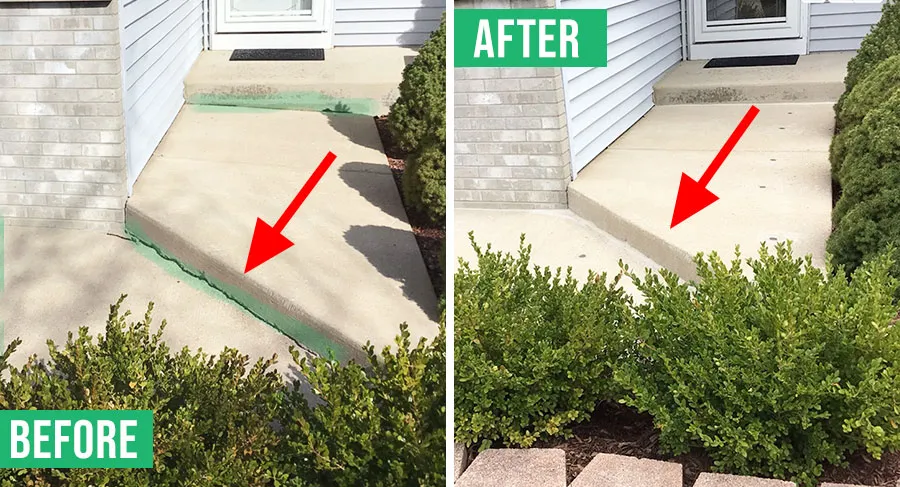
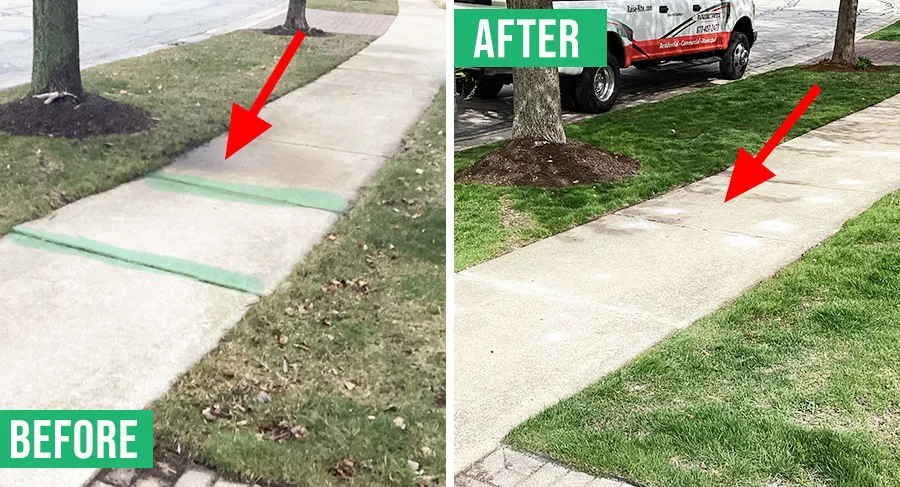
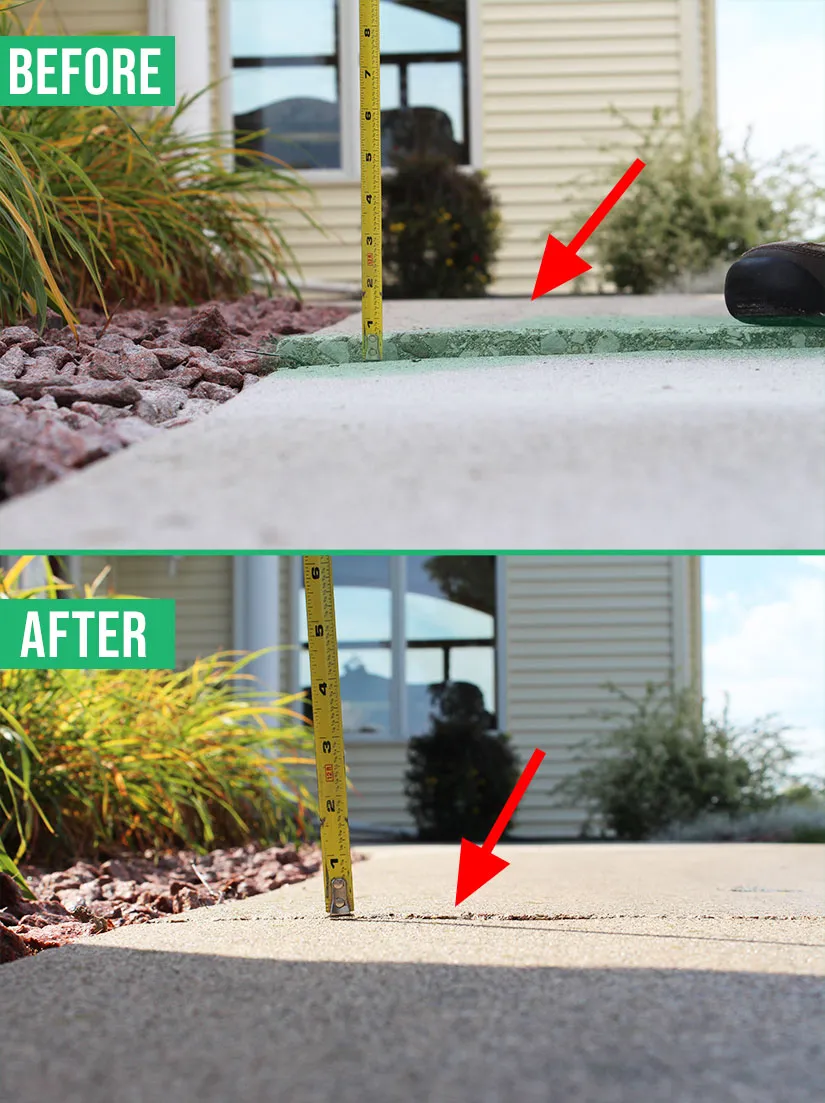
Real Foamjection lifts on the kinds of slabs we fix for Denver homeowners. Small holes, no tear-out.
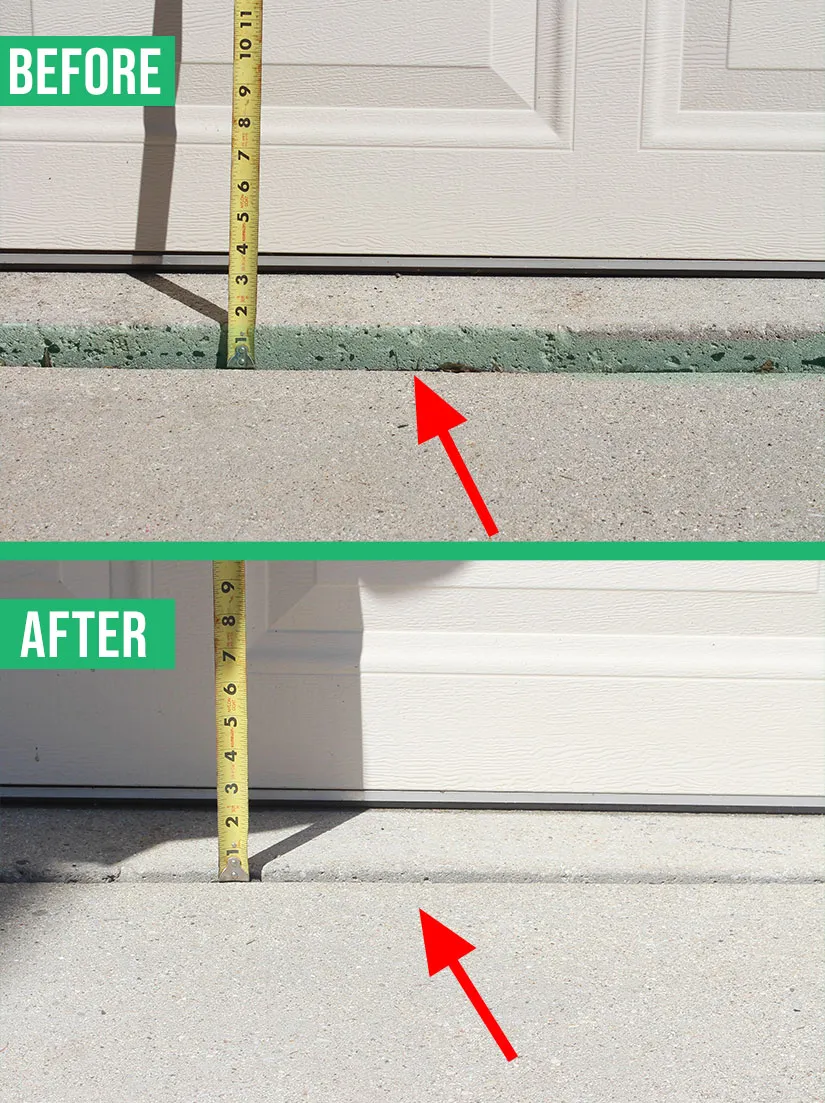
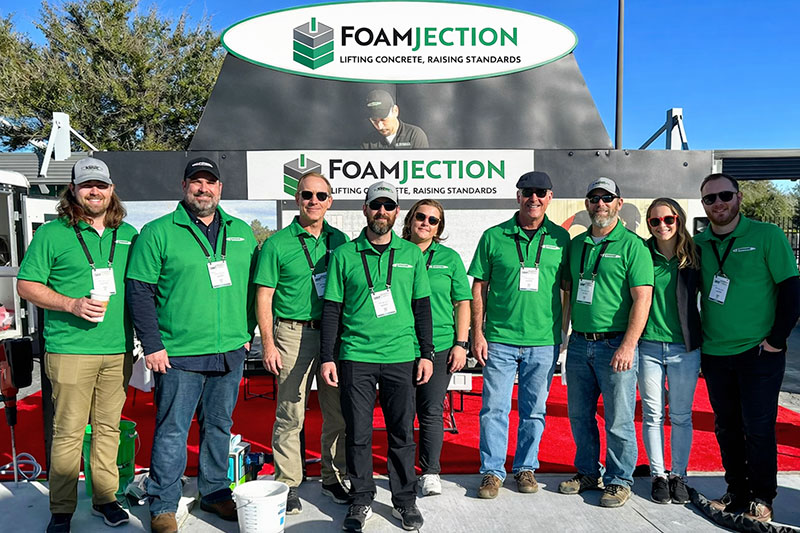
Foamjection is powered by HMI, which provides the equipment, training and systems behind every lift. Here’s what you can expect when you call us about your Denver concrete:

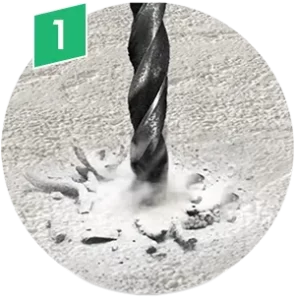
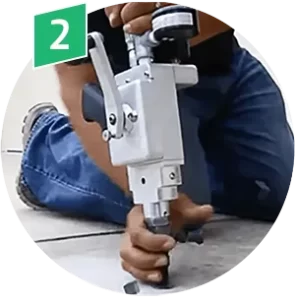
Drill Small HolesOur crew drills small 5/8″ holes in key areas of the slab.
Inject High-Density Polyurethane FoamThis is the core of polyurethane concrete lifting — the foam expands beneath the slab, fills voids, stabilizes loose soils, and delivers a controlled slab lifting process.
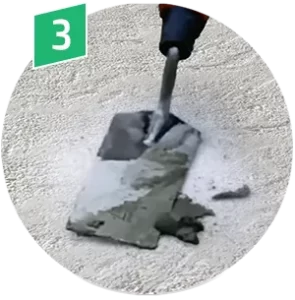
Patch & Use the Same DayOnce the slab reaches the correct height, holes are patched and the area is often ready to use within hours.
Tell us what’s sinking and where. A local pro will follow up with a free, no-pressure estimate.
Parts of the Denver metro area sit on Pierre Shale, a clay shale with thin layers of bentonite, a clay that swells when it gets wet. A USGS study of a southwest-metro subdivision built on this shale found that uneven swelling caused house foundations to fail and pavements to warp and crack.
Clay like this swells after rain or heavy watering and shrinks again as it dries, so the ground under a slab doesn’t move evenly. One corner rises, another drops, and empty spaces open up underneath. Foam fills those spaces under a sunken slab and firms up the soil, and keeping water away from slab edges helps the repair last.
Source: USGS: Expansive clay damage in the Pierre Shale, southwest Denver metro
Every service below uses the same foam lifting process, sized to the slab. Not sure which one you need? Describe the problem on the estimate form and a local pro will help you figure it out.
Under Denver’s sidewalk program, the City’s Department of Transportation and Infrastructure (DOTI) repairs sidewalks in the public right-of-way, and property owners pay an annual sidewalk fee instead of paying for repairs directly. See the Denver sidewalk FAQ. Your own driveway, walkway, steps and patio are still yours to repair.
Yes, for a slab that has settled. The foam fills the empty space under it and helps stabilize the soil. Because this clay moves with moisture, steering downspouts and sprinklers away from slab edges matters just as much.
Yes. Foamjection also serves Aurora, Lakewood, Arvada, Englewood, Littleton and Westminster. You’ll find links to each area at the bottom of this page.
Soil right next to a foundation usually gets the most water from the roof, and clay there swells, shrinks and settles more than soil farther out. Lifting the low side back to level and fixing the drainage keeps water moving away from the house.
Fill out the estimate form on this page or call 866-913-6519. Estimates are free and no-pressure, and warranty details are explained before any work begins.
Foamjection also lifts and levels concrete in these communities near Denver: