Concrete often settles because the soil beneath it loses support. Heavy vehicle traffic, poor soil compaction, water erosion, drainage problems, and underground voids can contribute to settlement around fueling stations.

Home » Commercial Concrete Lifting » Gas Station
Gas stations and convenience stores deal with constant vehicle traffic, heavy fuel deliveries, and daily customer activity. When concrete around fuel pumps, parking areas, sidewalks, or store entrances begins to sink, it can create trip hazards, drainage problems, and uneven driving surfaces.
Foamjection uses polyurethane concrete lifting, also known as polyjacking, to raise and stabilize settled concrete at gas stations, convenience stores, and commercial fueling facilities.
Our foam concrete leveling process helps restore safer, more even surfaces while preserving structurally sound concrete—often at up to 50% less than the cost of replacement, with minimal downtime and disruption to daily business operations.
Concrete settlement often begins when the soil beneath a slab loses support. Constant traffic, heavy delivery trucks, water runoff, and poor soil compaction can contribute to sinking concrete around fueling stations.
Common causes include:
When soil support weakens, concrete can sink, crack, or develop uneven transitions between adjoining slabs.
Uneven concrete around a gas station can affect both vehicle movement and pedestrian safety. Small settlement problems can become more noticeable as traffic continues.
Watch for:
Addressing settlement early can help reduce safety concerns and prevent additional damage to surrounding concrete.
If settlement extends beyond fueling areas, parking lot leveling, loading dock and ramp leveling, or interior floor leveling may also be needed to restore stable surfaces throughout the property.
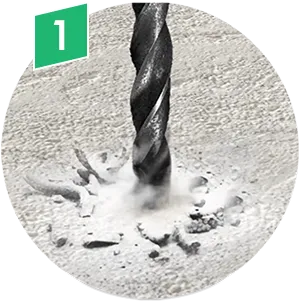
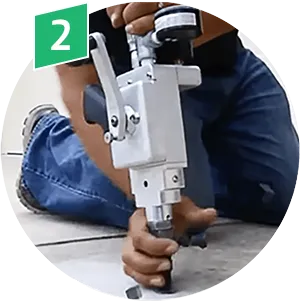
Foamjection lifts settled gas station concrete by injecting high-density polyurethane foam beneath the slab. The expanding foam fills voids, restores support, and carefully raises uneven concrete toward its intended elevation.
Many gas station concrete leveling projects can be completed in just a few hours, and repaired areas are often ready for use the same day.
Important: Concrete near underground fuel tanks, fuel lines, dispensers, or other sensitive equipment requires a site-specific safety review before drilling or injection.
Gas station owners and facility managers choose polyurethane concrete lifting because it repairs settled concrete without the major disruption of removing and replacing entire slabs.
Instead of closing large sections of the property for demolition and new concrete installation, foam lifting can target problem areas while limiting interruptions to daily business.
For gas stations with structurally sound but uneven concrete, foam jacking can be a practical way to extend the life of existing slabs.
Concrete near fuel pump islands may be suitable for polyurethane lifting. However, underground fuel lines, electrical systems, tanks, and other utilities must be located and evaluated before work begins.
In many cases, repairs can be scheduled to limit disruption. Some fueling lanes, parking spaces, or walkways may need temporary closure while work is completed.
High-density polyurethane foam is used for commercial concrete stabilization, including surfaces exposed to vehicle traffic. The appropriate repair depends on the slab condition, soil support, and expected loads.
If the concrete remains structurally sound, polyurethane concrete lifting is often faster and less expensive than replacement. Severely cracked or damaged slabs may need another repair method.
Many projects can be completed within a few hours. Larger repairs or areas near sensitive underground equipment may require additional planning and time.
Yes. Settled entrance slabs and sidewalks can often be lifted to reduce trip hazards and create smoother transitions for customers and employees.
Raising low concrete can sometimes restore the intended slope and reduce standing water. Drainage problems caused by underground leaks or damaged systems must be addressed separately.
Polyurethane foam cures quickly, and many repaired surfaces can return to use the same day. Actual reopening depends on site conditions, loading requirements, and safety checks.
Yes. Expanding polyurethane foam can fill voids beneath concrete slabs. However, voids near underground storage tanks, fuel piping, or other regulated systems require careful evaluation before injection.
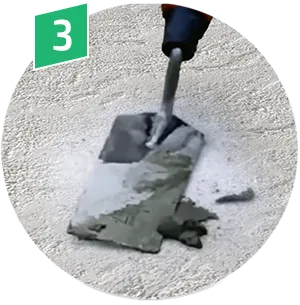
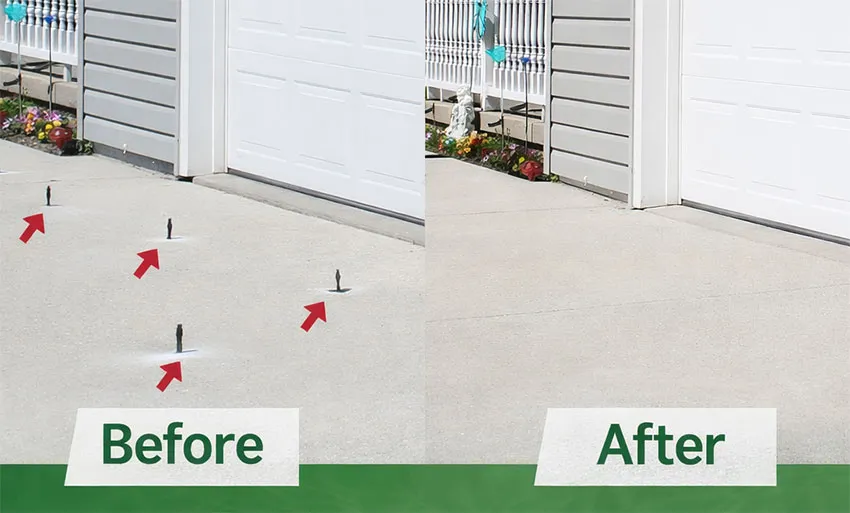
Small holes are drilled through the concrete and patched after lifting. The patches remain visible but are much smaller than the holes commonly used for traditional mudjacking.
Request a free estimate and provide information about your property and the concrete areas that need attention. Foamjection can help connect you with a local concrete lifting professional serving your area.
Foamjection helps homeowners with expert foam concrete leveling throughout.