
Home » About Us » Service Area » Concrete Lifting South Carolina
50+ years of expertise. 20,000+ customers served. Proven national system.
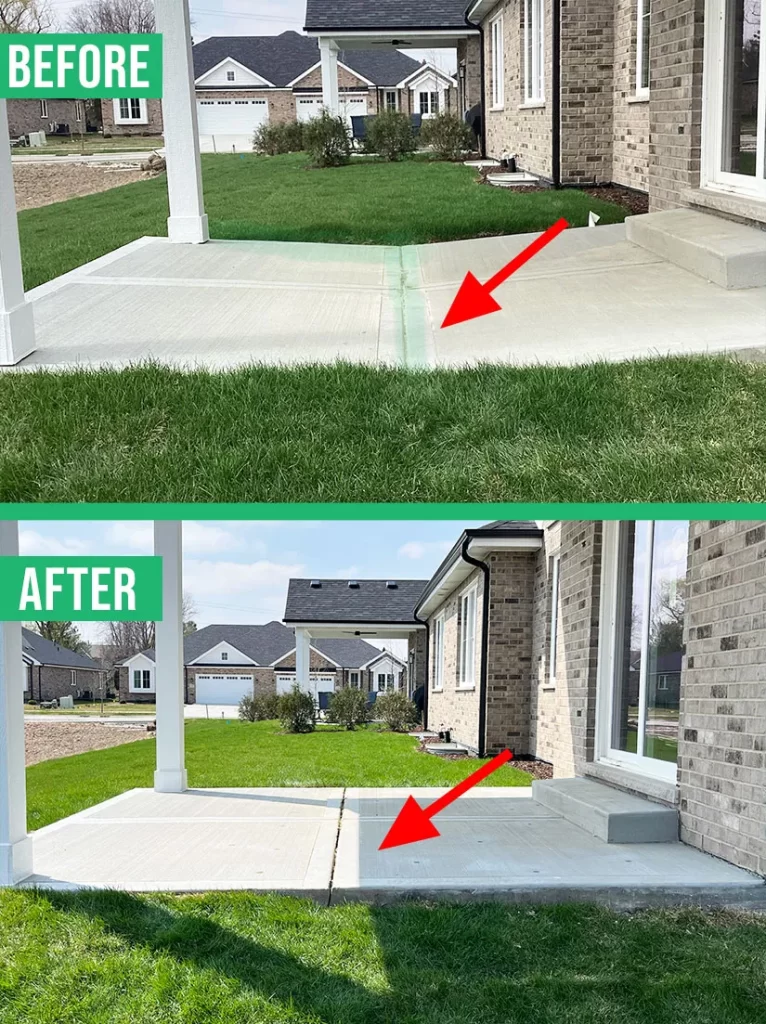
Foamjection helps homeowners across Carolina fix sinking concrete without tearing it out or overpaying for replacement. Whether you’re dealing with uneven sidewalks, settled driveways, sunken patios, or interior concrete floors, our proven polyurethane concrete lifting process delivers fast, clean, long-lasting results.
As the nationwide leader in polyurethane concrete lifting—powered by HMI, Foamjection helps Carolina homeowners with certified local professionals who use high-density foam injection to lift, level, and stabilize concrete the right way.
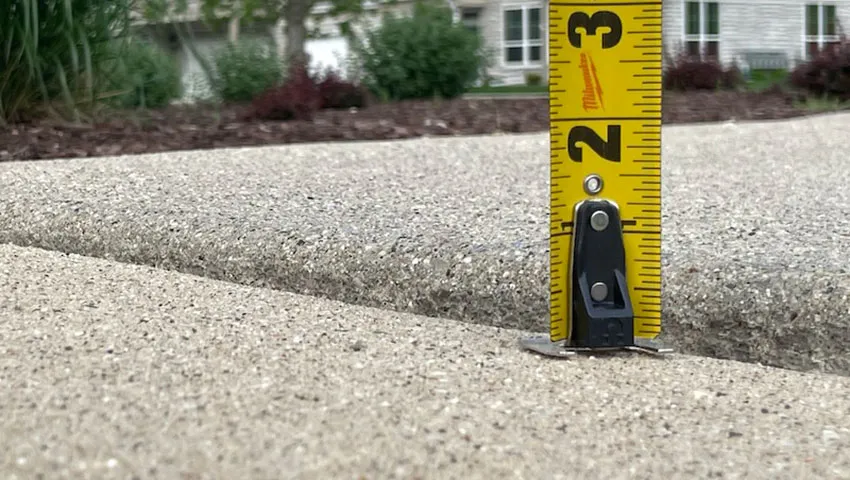
Carolina’s climate and soil conditions make concrete settlement a common issue throughout the state—from urban areas to rural communities.
Common causes include:
Left untreated, sinking concrete often worsens over time—creating trip hazards, drainage problems, and costly repairs.
Foamjection helps repair and stabilize a wide range of concrete surfaces across Carolina, including:
If your concrete is uneven, sunken, or creating a safety concern, our process offers a reliable concrete repair solution without replacement.
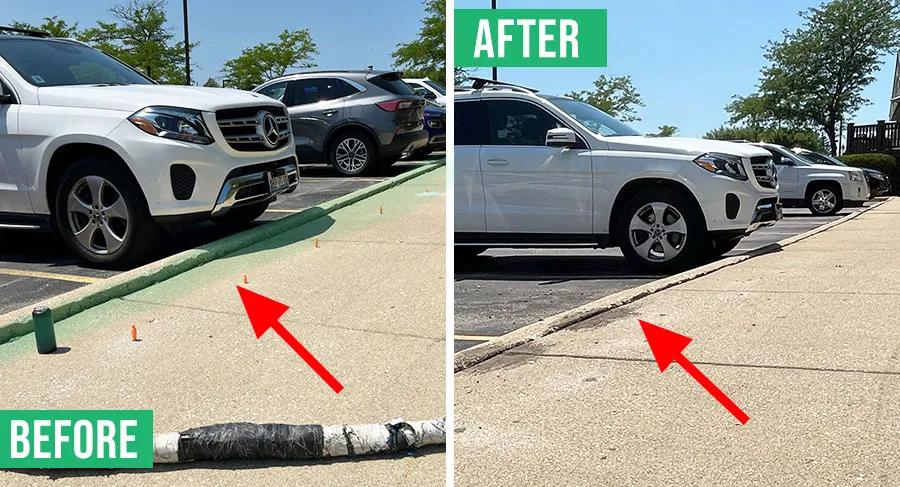
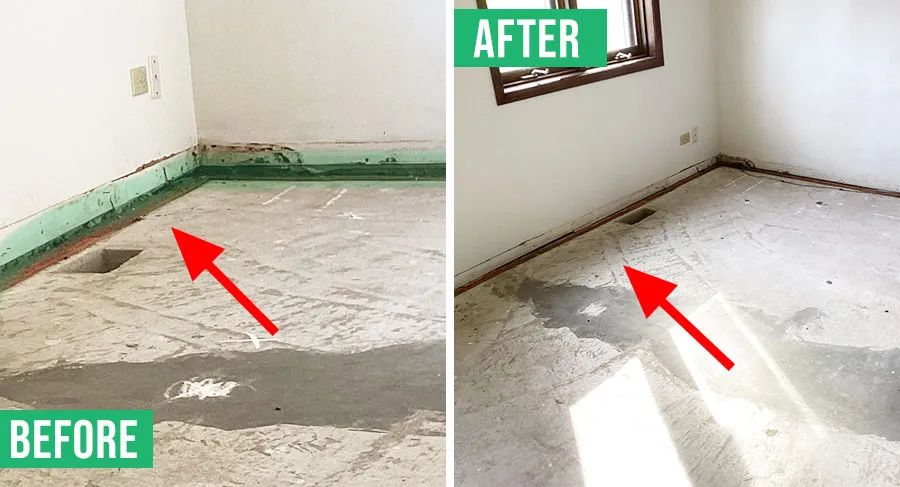
Foamjection uses advanced polyurethane foam injection to lift and stabilize settled concrete with precision.
This process—often referred to as polyjacking or slab lifting—allows certified professionals to:
Most surfaces are ready to use again almost immediately.
Concrete lifting and leveling services available in the cities listed below.
Foamjection serves homeowners and property owners across Arkansas, from larger metro areas to smaller communities where sinking concrete can create trip hazards, drainage problems, and uneven surfaces. The city links above make it easy to find service near you, but many concrete problems follow similar patterns across different parts of the state.
In Central Arkansas, many homeowners in Little Rock, North Little Rock, Benton, Bryant, Conway, Cabot, Sherwood, and Maumelle deal with sinking driveways, uneven sidewalks, settled patios, and garage floor movement. These problems are often tied to drainage, soil movement, and voids below the slab.
In South Arkansas, communities like El Dorado, Magnolia, Hamburg, Monticello, McGehee, Dermott, and Star City often see concrete settlement around driveways, porches, sidewalks, and commercial entryways. Polyurethane foam lifting gives property owners a clean way to fix settled concrete without tearing it out.
Foamjection also supports homeowners in smaller Arkansas communities like Heber Springs, Morrilton, Stuttgart, Pine Bluff, Malvern, Lonoke, and Warren. Whether the issue is one uneven sidewalk panel or several settled slabs around the home, the goal is to lift, stabilize, and protect the existing concrete whenever possible.
Most homeowners do not notice concrete settlement all at once. It usually starts with a small gap, a low corner, a raised edge, or water draining the wrong way. Over time, that small issue can turn into a larger safety or drainage problem.
In Arkansas homes, settlement often shows up first near the garage apron, front walkway, porch steps, patio edge, pool deck, driveway approach, or sidewalk panels. These are high-use areas where water, foot traffic, and soil movement can weaken the support below the slab.
You may also notice concrete pulling away from the home, a step that feels too high or too low, water pooling near a low spot, or a section of concrete that sounds hollow underneath. These are common signs that the slab may have lost support below the surface.
If the concrete is still in solid condition, lifting and stabilizing the existing slab can often be a better option than removing and replacing it. Foamjection’s polyurethane foam injection process is designed to fill voids, raise the settled area, and help support the slab from below.
Sinking concrete usually gets worse when water keeps reaching the weak area below the slab. A small gap near a driveway, sidewalk, patio, porch, or step can allow more water to wash soil away. Once that support is gone, the slab may continue to move.
It may be time to request an estimate if you notice uneven edges, widening gaps, pooling water, hollow sounds under the slab, cracks near a low spot, or concrete pulling away from the home, garage, porch, or steps.
Fixing the problem early can help reduce trip hazards, improve drainage, protect the existing concrete, and avoid the cost of full replacement when replacement is not needed. For many Arkansas homeowners, polyurethane concrete lifting is a fast, clean, and practical way to repair settled concrete before the problem spreads.
Foamjection helps with more than residential concrete lifting. Uneven concrete can also create problems for businesses, churches, schools, rental properties, warehouses, offices, restaurants, municipal buildings, and managed properties across Arkansas.
For homeowners, the most common concerns are safety, curb appeal, water drainage, and protecting the value of the property. For commercial and public properties, uneven concrete can also create liability concerns, access issues, and a poor first impression for customers, tenants, visitors, and employees.
Common Arkansas concrete lifting projects include driveway lifting, sidewalk leveling, patio lifting, porch leveling, step lifting, garage floor lifting, pool deck lifting, interior slab lifting, commercial walkway repair, and void filling below concrete slabs.
The advantage of foam injection is that it helps repair the support problem under the slab without major demolition. Instead of removing the concrete and starting over, high-density polyurethane foam is injected below the surface to fill empty spaces, lift the slab, and help stabilize the area underneath.
Concrete replacement can be expensive, messy, and time-consuming. It may still be needed when the slab is badly broken, crumbling, or structurally damaged. But when the concrete is still in usable condition, lifting the existing slab can often save time, reduce disruption, and restore function faster.
Foamjection’s concrete lifting process is designed for property owners who want a cleaner alternative to replacement. Small holes are drilled into the slab, polyurethane foam is injected below the concrete, and the foam expands to fill voids and raise the settled area. Once the lift is complete, the holes are patched and the area is cleaned up.
For many Arkansas properties, this means less mess, less downtime, and a strong repair that helps address the problem below the concrete — not just the surface appearance.
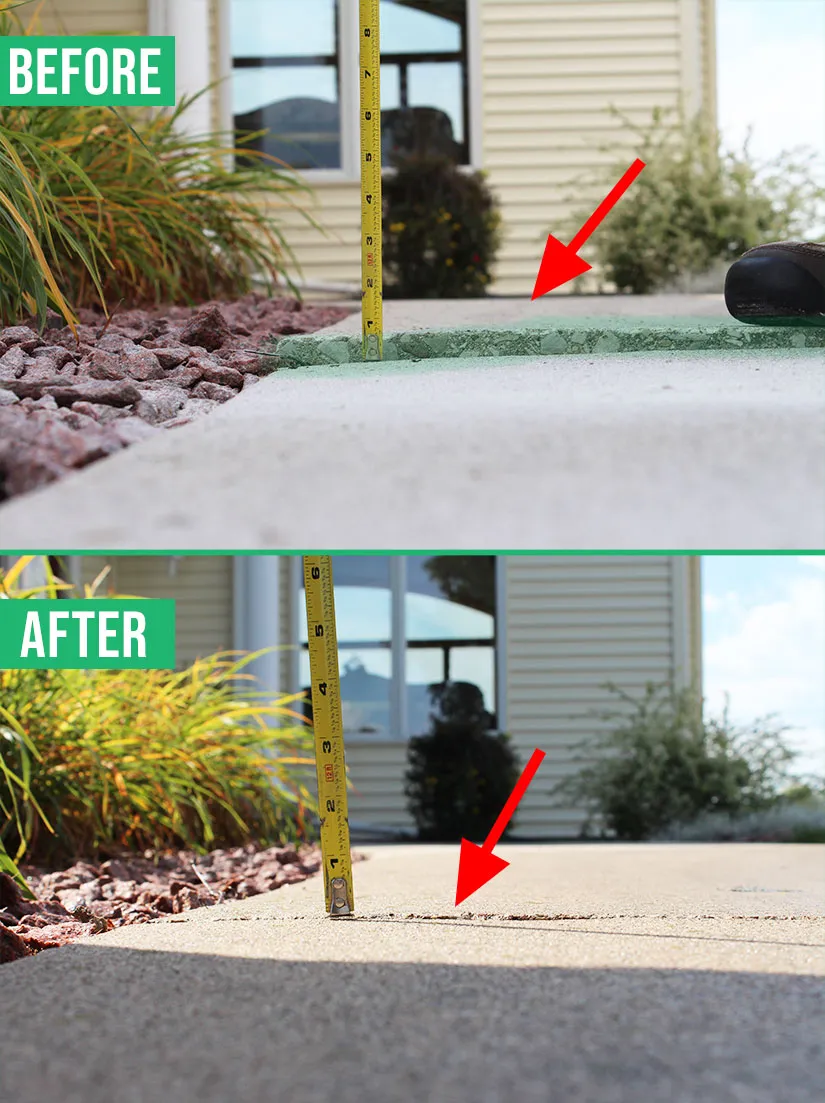
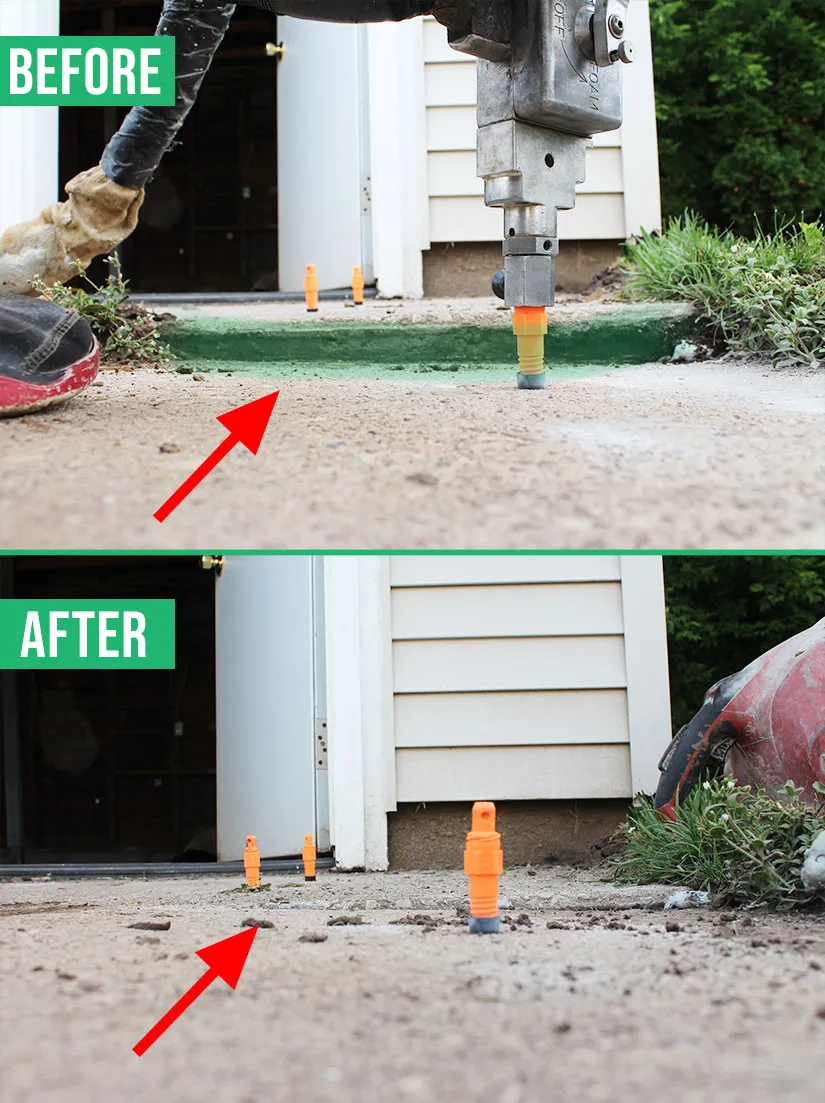
Foamjection is not a franchise and not a lead reseller.
Our concrete lifting professionals across Carolina meet strict national standards for:
Homeowners across Carolina choose Foamjection because they want results without disruption.
✔ 50+ years of industry expertise
✔ 20,000+ customers served nationwide
✔ Certified local professionals
✔ Clean, controlled lifting process
✔ Save up to 70% compared to replacement
✔ Environmentally responsible materials
It’s a smarter way to fix concrete—and a better long-term investment.
Concrete often sinks in South Carolina because the soil under the slab loses support. Heavy rain, poor drainage, sandy soil, clay soil, erosion, and weak fill dirt can all create empty spaces under driveways, sidewalks, patios, pool decks, garage floors, and walkways.
Once the soil shifts or washes out, the concrete above it can settle, crack, tilt, or create a trip hazard. Polyurethane concrete lifting helps fill those voids and support the slab without tearing out the existing concrete.
Yes. Many areas of South Carolina have sandy or loose soil that can shift, wash away, or lose strength when water moves through it. This can leave sections of concrete unsupported.
That is one reason driveways, sidewalks, patios, porches, and pool decks may start to sink or become uneven over time. Concrete lifting helps restore support under the slab and raise it back toward a safer position.
Yes. South Carolina gets heavy rain, storms, and moisture changes that can wash soil away from under concrete. Poor grading, clogged gutters, short downspouts, and water pooling near the slab can make the problem worse.
If water keeps moving under the concrete, voids can form below the surface. Polyurethane foam can help fill those voids and stabilize the slab, but drainage issues should also be corrected when possible.
Yes. Sinking driveway slabs can often be lifted with polyurethane foam if the concrete is still in usable condition. This is common near garage entrances, control joints, sidewalks, and areas where water runs across or under the driveway.
Driveway lifting can help reduce trip hazards, improve curb appeal, and help water drain the right way instead of pooling near the home.
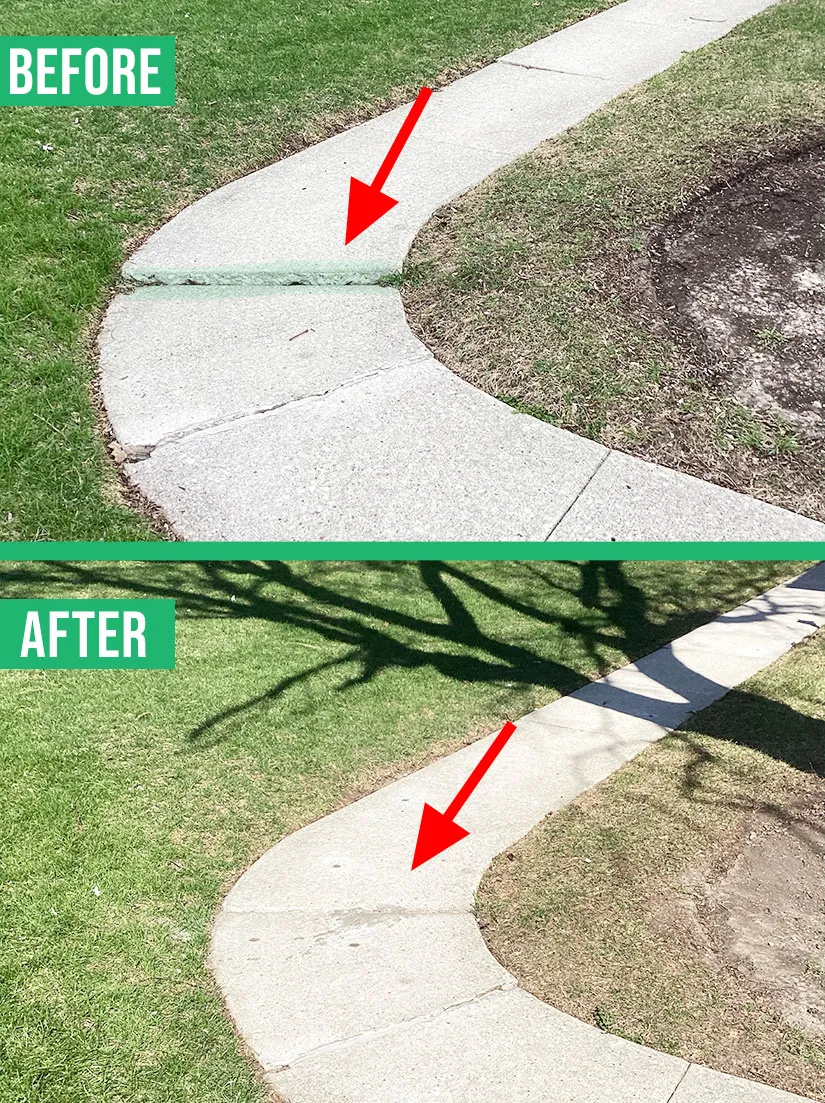
Yes. Uneven sidewalks and walkways are common concrete lifting projects in South Carolina. When one slab sinks lower than the next, it can create a raised edge that becomes a trip hazard.
Polyurethane concrete lifting can raise settled walkway sections, fill empty spaces underneath, and help make the surface safer without replacing long sections of concrete.
Yes. Pool decks can settle when the soil below the concrete shifts, erodes, or washes out. This can create uneven edges, cracks, drainage problems, and trip hazards around the pool.
Polyurethane foam is a good option for many pool deck lifting projects because it uses small injection holes, cures quickly, and helps support the slab without major demolition.
In many cases, yes. If the concrete is mostly intact but has sunk or tilted, lifting is usually faster, cleaner, and more affordable than tearing it out and pouring new concrete.
Replacement may still be the better choice if the slab is badly broken, crumbling, or severely damaged. But when the main issue is settlement, polyurethane lifting can often save the existing concrete.
Most South Carolina concrete lifting projects can be completed in just a few hours, depending on the size of the slab and how much it has settled.
Many surfaces can be used again the same day, which makes this a convenient option for driveways, sidewalks, walkways, patios, porches, steps, garage floors, and pool decks.
Mudjacking uses a heavier cement-based slurry to raise concrete. Polyurethane concrete lifting uses lightweight expanding foam that fills voids, lifts the slab, and adds support without placing as much weight on the soil below.
Polyurethane foam also uses smaller injection holes and is often cleaner, faster, and less disruptive for residential concrete lifting projects.
Yes. Polyurethane foam is designed to stay stable under concrete after it cures. It also resists water, which makes it a strong option for areas where rain, humidity, drainage problems, and soil movement have caused slabs to settle.
For the best long-term result, it is still important to manage water around the slab. Fixing downspouts, grading, and drainage issues can help protect the repair.
Your concrete may be a good candidate for lifting if the slab is mostly solid but has sunk, tilted, separated, or created a trip hazard. Common examples include sinking driveway panels, uneven sidewalks, dropped patios, settled pool decks, leaning steps, and sunken garage floors.
A concrete lifting specialist can inspect the slab, check the surrounding soil and drainage, and let you know if lifting is a good option or if replacement makes more sense.
Quote timing depends on your location and the details of the project, but the process is usually simple. Photos of the sinking concrete can often help the team understand the issue and recommend the next step.
If your driveway, sidewalk, patio, steps, porch, pool deck, or garage floor has started to sink, it is better to get it checked before the problem gets worse or becomes a larger safety concern.
If you’re dealing with sinking or uneven concrete anywhere in Carolina, replacement isn’t your only option.
Our trusted local experts use advanced polyurethane concrete lifting to restore and stabilize concrete faster, cleaner, and for less.