
Driveway and Garage Approach Lifting in Clayton, DE
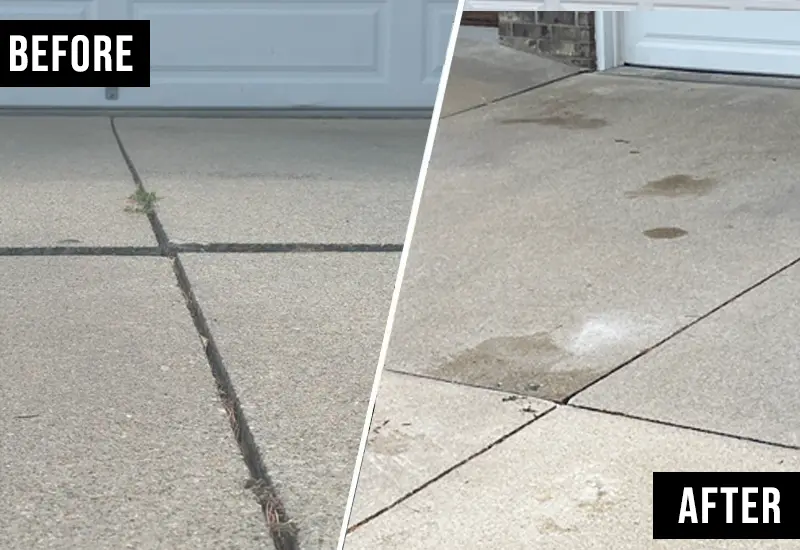
Restoring Settled Concrete at a Clayton Home A homeowner in Clayton, Delaware, had settled concrete along the driveway and garage approach. Sections of the driveway had shifted out of alignment, while the concrete near the garage created an uneven transition for vehicles and foot traffic. When a driveway settles near the garage, it can leave a noticeable bump or low area where the driveway meets the garage floor. The uneven surface may also affect drainage, create a trip hazard, and place added stress on the surrounding concrete. Because the existing slabs were still in repairable condition, polyurethane concrete lifting offered a practical way to raise and support the affected areas without replacing the driveway. The Challenge The driveway and garage approach had lost consistent support from the soil and base material underneath them. The homeowner was dealing with: Settled driveway sections An uneven garage approach Height differences between adjoining slabs Rough transitions for vehicles Potential walking hazards Voids beneath the concrete Concern about continued movement The goal was to lift the affected driveway sections and improve their alignment as much as the existing concrete conditions allowed. The garage approach also needed to be raised and supported to create a smoother transition into the garage. Restoring support beneath the slabs was an important part of the repair. Simply addressing the visible unevenness would not correct the empty spaces below the concrete. The Foamjection Solution After evaluating the driveway and garage approach, the local Foamjection professional recommended polyurethane foam injection to raise and stabilize the settled slabs. The repair focused on two connected areas: Lifting the Driveway High-density polyurethane foam was injected beneath the sunken driveway sections in carefully controlled amounts. As the foam expanded, it filled hidden voids and gradually raised the concrete toward a more even position. Improving the alignment between slabs helped create a smoother surface for walking, parking, and driving. Raising the Garage Approach The settled concrete near the garage entrance was also lifted and supported. Correcting this area helped reduce the height difference where the driveway met the garage floor, creating a smoother transition for vehicles and foot traffic. The repair preserved the existing concrete while avoiding the cost, mess, and extended downtime associated with complete driveway replacement. The Fix: 3-Step Process Step 1: Drill Small access holes, approximately 5/8 inch in diameter, were strategically drilled through the affected driveway and garage approach slabs. Step 2: Pump High-density polyurethane foam was injected beneath the concrete. As the material expanded, it filled underground voids, restored support, and carefully lifted the settled sections. Step 3: Patch After the lifting was completed, the injection holes were patched for a clean, durable finish. The repaired areas were ready for normal use shortly afterward. The Results The completed repair improved the position, stability, and everyday function of the driveway and garage approach while preserving the existing concrete. The repaired areas are now: More evenly aligned Better supported underneath Smoother between adjoining slabs Easier for vehicles to cross Safer for everyday walking Less vulnerable to continued settlement Improved in overall appearance Most importantly, the lifting process addressed the unsupported spaces beneath the slabs while reducing the uneven transition at the garage entrance. The homeowner received a focused concrete repair without the disruption and expense of tearing out and replacing the existing driveway. Why Driveways Settle in Clayton, DE Concrete settlement often begins when the soil or base material beneath a driveway changes. Several conditions around Clayton can contribute to this problem: Poorly compacted fill soil Heavy rainfall and excess moisture Water entering along slab edges Soil erosion beneath the concrete Voids under the driveway Seasonal changes in soil moisture Repeated vehicle loads When the supporting material shifts or washes away, the heavy concrete can gradually sink into the resulting empty spaces. Driveway sections near a garage may become especially noticeable because the garage floor usually remains fixed while the exterior concrete settles. Polyurethane concrete lifting addresses the problem below the surface by filling voids, restoring support, and raising repairable slabs toward a better position. Concrete Driveway Lifting in Clayton, DE A sunken driveway or uneven garage approach does not always require complete replacement. When the existing slabs remain repairable, polyurethane foam lifting may offer a faster and less disruptive solution. Learn more about concrete lifting in Clayton, DE if your property has: Sunken driveway sections Uneven joints between slabs A settled garage approach Rough vehicle transitions Trip hazards near the garage Unsupported concrete Foamjection connects homeowners with qualified local professionals who can evaluate settled concrete and recommend an appropriate lifting solution. Request a free quote to find out whether your driveway and garage approach can be raised and supported instead of replaced.
Walkway and Garage Approach Lifting in Burien, WA
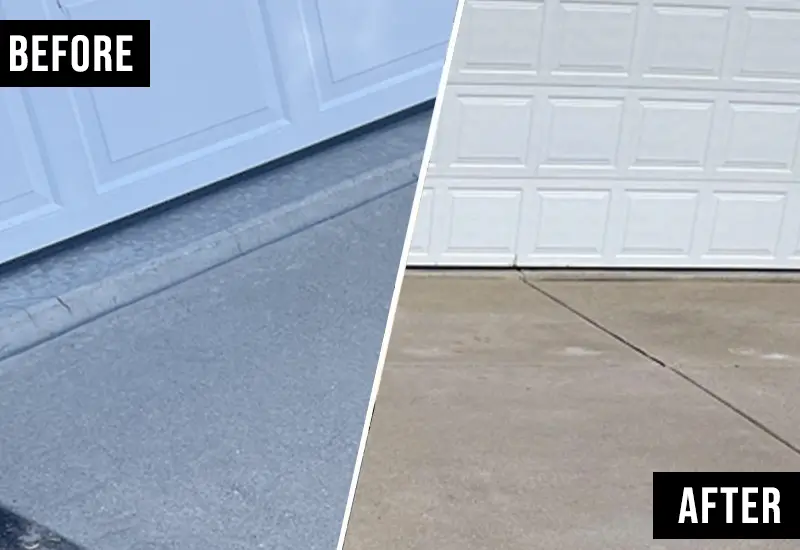
Restoring Uneven Concrete at a Burien Home A homeowner in Burien, Washington, had settled concrete along a walkway and the approach to the garage. As the slabs shifted, uneven transitions developed between sections, affecting both the walking path and the driveway entrance. Settlement around a garage approach can create a noticeable bump or low spot where the driveway meets the garage floor. Uneven walkway slabs may also become trip hazards for residents, guests, and delivery workers. Because the existing concrete remained in repairable condition, polyurethane concrete lifting offered a practical way to raise and support both areas without removing and replacing the slabs. The Challenge The walkway and garage approach had settled after losing consistent support from the soil and base material beneath the concrete. The homeowner was dealing with: Settled walkway sections An uneven garage approach Height differences between adjoining slabs Potential trip hazards Rough transitions for vehicles Voids beneath the concrete Concern about continued settlement The goal was to lift the affected sections and improve their alignment as much as the existing concrete conditions allowed. It was also important to restore support beneath the slabs. Without addressing the empty spaces below the concrete, the affected areas could remain unstable even if the surface appeared level. The Foamjection Solution After evaluating the walkway and garage approach, the local Foamjection professional recommended polyurethane foam injection to raise and stabilize the settled concrete. The repair focused on two connected areas: Lifting the Walkway High-density polyurethane foam was injected beneath the settled walkway sections in controlled amounts. As the foam expanded, it filled hidden voids and carefully raised the concrete toward a more even position. Improving the alignment between the walkway slabs helped create a smoother path and reduce uneven edges that could cause someone to trip. Raising the Garage Approach The settled concrete near the garage entrance was also lifted and supported. Adjusting the approach helped improve the transition between the driveway and garage floor, making the surface smoother for vehicles and foot traffic. This targeted repair preserved the existing concrete while avoiding the cost, mess, and longer downtime associated with complete replacement. The Fix: 3-Step Process Step 1: Drill Small access holes, approximately 5/8 inch in diameter, were strategically drilled through the affected walkway and garage approach slabs. Step 2: Pump High-density polyurethane foam was injected beneath the concrete. As it expanded, the foam filled underground voids, restored support, and carefully raised the settled sections. Step 3: Patch After the lifting was completed, the injection holes were patched for a clean, durable finish. The work area was cleaned, and the repaired concrete was ready for normal use shortly afterward. The Results The completed project improved the alignment, support, and everyday function of the walkway and garage approach while keeping the existing slabs in place. The repaired areas are now: More evenly aligned Better supported underneath Smoother between adjoining slabs Safer for walking Easier for vehicles to cross Less vulnerable to continued movement Improved in overall appearance Most importantly, the lifting process addressed the unsupported spaces beneath the concrete while reducing the uneven transitions at the surface. The homeowner received a focused repair without the expense and disruption of demolishing and replacing the walkway and garage approach. Why Concrete Settles in Burien, WA Concrete settlement often begins when the soil or base material beneath a slab shifts, compresses, or washes away. Several conditions around Burien can contribute to this problem: Poorly compacted fill soil Frequent rainfall and excess moisture Water entering along slab edges Erosion beneath the concrete Voids below the slabs Changing soil moisture levels Repeated vehicle weight near the garage When the material beneath a walkway or driveway no longer provides consistent support, the heavy concrete can gradually sink into the empty space. Polyurethane concrete lifting addresses the problem below the surface by filling voids, restoring support, and raising repairable slabs toward a better position. Concrete Lifting in Burien, WA An uneven walkway or sunken garage approach does not always need to be replaced. When the existing slabs are still structurally repairable, polyurethane foam lifting may provide a faster and less disruptive solution. Learn more about concrete lifting in Burien, WA if your property has: Sunken walkway sections Uneven joints between slabs Trip hazards near the home A settled garage approach Rough driveway transitions Unsupported concrete Foamjection connects homeowners with qualified local professionals who can evaluate settled concrete and recommend an appropriate repair. Request a free quote to find out whether your walkway and garage approach can be lifted and supported instead of replaced.
Uneven Driveway Lifted and Leveled in Portland, ME
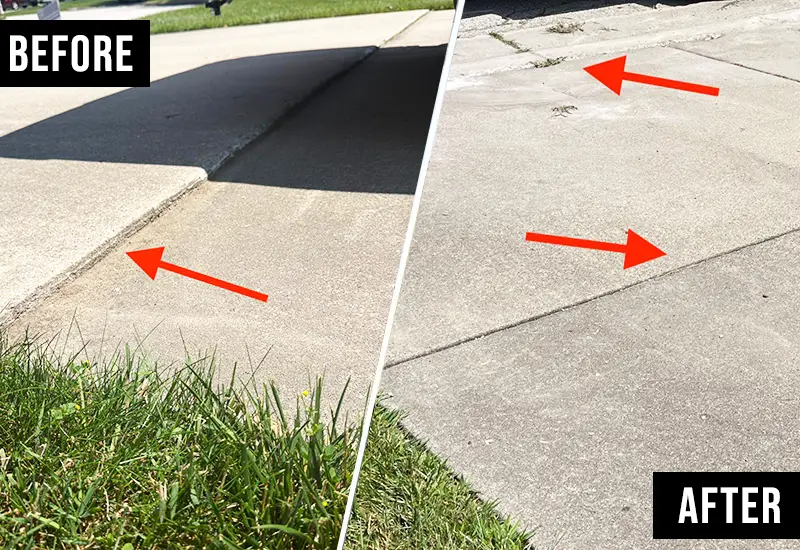
Restoring a Settled Driveway at a Portland Home A homeowner in Portland, Maine, had a driveway with concrete sections that had started to settle. The slabs were no longer properly aligned, leaving uneven joints and rough transitions across the driveway. Settled driveway concrete can affect everyday walking, parking, and vehicle access. Differences in height between slabs may also create trip hazards and place additional stress on the surrounding concrete. Because the existing slabs were still in repairable condition, polyurethane concrete lifting provided a practical way to raise, level, and support the driveway without tearing it out. The Challenge Different sections of the driveway had settled at different rates. As the slabs moved, noticeable changes in elevation developed across the concrete surface. The homeowner was dealing with: Settled driveway sections Uneven joints between slabs Rough vehicle transitions Possible trip hazards Reduced support beneath the concrete An uneven overall appearance Concern about continued movement The goal was to lift the affected driveway sections and bring them into better alignment with the surrounding concrete as much as existing conditions allowed. The repair also needed to restore support beneath the slabs so the project addressed more than the visible unevenness at the surface. The Foamjection Solution After evaluating the settled driveway, the local Foamjection professional recommended polyurethane foam injection to lift and level the affected concrete. The repair focused on two important parts of the problem: Lifting and Leveling the Driveway High-density polyurethane foam was injected beneath the sunken sections in carefully controlled amounts. As the foam expanded, it gradually raised the slabs and improved their alignment with the neighboring concrete. Restoring Support Beneath the Slabs The expanding material moved into hidden voids beneath the driveway. Filling these unsupported areas created a more stable base and helped support the concrete after it reached the best possible position. This targeted repair kept the existing driveway in place while avoiding the cost, mess, and extended downtime associated with complete replacement. The Fix: 3-Step Process Step 1: Drill Small access holes, approximately 5/8 inch in diameter, were strategically drilled through the affected driveway sections. Step 2: Pump High-density polyurethane foam was injected beneath the concrete. As it expanded, the foam filled hidden voids, restored support, and carefully lifted the settled slabs. Step 3: Patch Once the driveway was lifted and leveled, the small injection holes were patched for a clean, durable finish. The work area was cleaned, and the concrete was ready for normal use shortly afterward. The Results The completed repair improved the driveway’s alignment, stability, and everyday function while preserving the existing concrete. The repaired driveway is now: More evenly aligned Smoother between concrete sections Better supported underneath Safer for everyday walking Easier to drive across Less vulnerable to continued settlement Improved in overall appearance Most importantly, the lifting process filled unsupported spaces below the concrete instead of addressing only the uneven surface above. The homeowner received a focused driveway repair without the expense and disruption of demolishing and replacing otherwise usable slabs. Why Driveways Settle in Portland, ME Driveway settlement usually starts when the soil or base material beneath the concrete changes. Several conditions around Portland can contribute to this movement: Poorly compacted fill soil Water entering beside or beneath slabs Soil erosion and washout Voids beneath the driveway Seasonal changes in soil moisture Repeated freezing and thawing Regular vehicle loads Maine winters can be especially hard on concrete and the soil supporting it. Moisture beneath or around the driveway may freeze and expand, then contract as temperatures rise. Repeated freeze-thaw cycles can contribute to soil movement and uneven support. When support beneath a slab weakens, the concrete can gradually sink into the empty space. Polyurethane lifting fills these voids, restores support, and raises repairable driveway sections. Concrete Driveway Lifting in Portland, ME A sinking driveway does not always need to be replaced. If the existing concrete remains in repairable condition, polyurethane foam lifting may provide a faster and less disruptive solution. Learn more about concrete lifting in Portland, ME if your driveway has: Sunken concrete sections Uneven joints between slabs Rough vehicle transitions Walking or tripping hazards Voids beneath the concrete Signs of ongoing settlement Foamjection connects homeowners with qualified local professionals who can evaluate settled concrete and recommend an appropriate repair. Request a free quote to find out whether your driveway can be lifted and leveled instead of replaced.
Settled Driveway Lifted, Stabilized, and Caulked in Emerson, GA
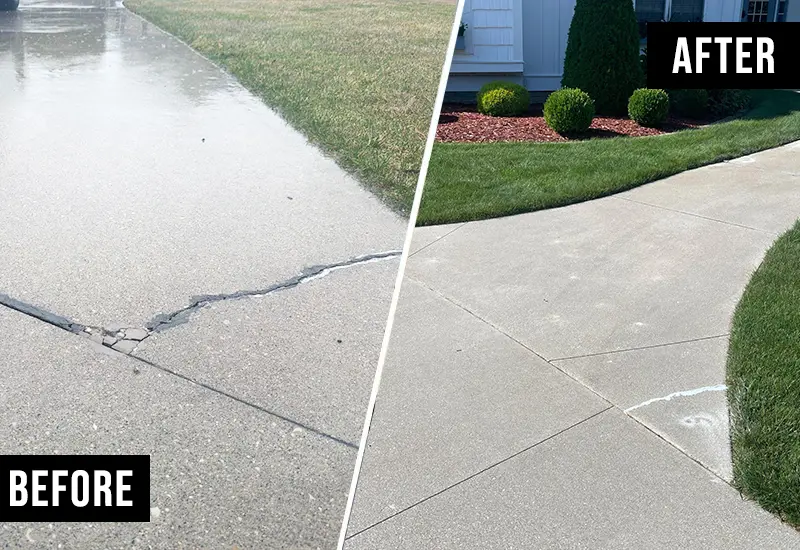
Restoring an Uneven Driveway at an Emerson Home A homeowner in Emerson, Georgia, had a driveway that had started to settle and lose support. The uneven concrete affected the driveway’s appearance and created less consistent transitions between the slabs. A crack in the driveway also needed to be sealed. Although the concrete had moved, the existing slabs were still in repairable condition. Instead of removing and replacing the driveway, polyurethane concrete lifting provided a practical way to raise the settled area, restore support underneath, and protect the crack. The goal was to preserve the existing concrete while creating a smoother and more stable driveway surface. The Challenge The affected driveway slab had settled because it no longer had consistent support from the material beneath it. The homeowner was dealing with: Settled driveway concrete Uneven slab transitions Reduced support underneath A crack in the driveway Possible water entry through the crack A risk of continued movement An uneven overall appearance The repair needed to lift the affected concrete toward a better position and stabilize it from below. The crack also needed to be caulked after lifting to help limit water entry and leave a cleaner finished surface. Careful control was important throughout the project so the driveway could be improved without placing unnecessary pressure on the surrounding slabs. The Foamjection Solution After evaluating the driveway, the local Foamjection professional recommended polyurethane foam injection followed by concrete crack caulking. The repair addressed three related needs: Lifting the Settled Driveway High-density polyurethane foam was carefully injected beneath the affected concrete. As the foam expanded, it gradually raised the settled section and improved its alignment with the surrounding driveway slabs. Stabilizing the Slab The expanding foam moved into hidden voids beneath the concrete and restored support where the driveway had lost contact with its base. This helped stabilize the slab after it reached the best possible position. Caulking the Crack Once the lifting and stabilization work was complete, the driveway crack was caulked. Sealing the opening helped reduce water entry and improved the appearance of the repaired area. This targeted approach preserved the driveway while avoiding the cost, mess, and downtime associated with complete concrete replacement. The Fix: 3-Step Process Step 1: Drill Small access holes, approximately 5/8 inch in diameter, were drilled at carefully selected points in the settled driveway slab. Step 2: Pump High-density polyurethane foam was injected beneath the concrete. As it expanded, the foam filled underground voids, restored support, and carefully lifted the affected driveway section. Step 3: Patch and Caulk After the concrete was lifted and stabilized, the injection holes were patched and the driveway crack was caulked. The work area was cleaned, and the driveway was ready for normal use shortly afterward. The Results The completed repair improved the driveway’s position, support, and finished appearance while keeping the existing concrete in place. The repaired driveway is now: Closer to its proper position Better aligned between slabs More evenly supported underneath More stable for everyday use Protected along the caulked crack Less vulnerable to water entry Less likely to continue moving Most importantly, the process addressed both the visible unevenness and the missing support beneath the slab. Caulking the crack provided added protection by helping keep surface water from reaching the base below. The homeowner received a focused driveway repair without the disruption and expense of tearing out otherwise usable concrete. Why Driveways Settle and Crack in Emerson, GA Driveway settlement usually begins below the concrete. Several conditions can cause the soil or base material to shift, compress, or wash away: Poorly compacted fill soil Heavy Georgia rainfall Water entering through open cracks Erosion beneath slab edges Voids below the driveway Repeated vehicle loads Seasonal changes in soil moisture When the supporting material changes, the heavy concrete can sink into the empty spaces below. Uneven support can also place stress on the slab and contribute to cracking. Polyurethane concrete lifting addresses the problem beneath the surface by filling voids and restoring support. Caulking cracks afterward helps limit water entry that could contribute to future soil erosion. Concrete Driveway Lifting in Emerson, GA A settled or cracked driveway does not always need to be replaced. If the existing slabs remain repairable, polyurethane foam can lift the concrete and restore support with less disruption. Learn more about concrete lifting in Emerson, GA if your driveway has: Settled concrete sections Uneven joints between slabs Cracks allowing water entry Hidden voids beneath the surface Rough walking or driving transitions Signs of continued movement Foamjection connects homeowners with qualified local professionals who can evaluate sinking concrete and recommend the right repair. Request a free quote to find out whether your driveway can be lifted and stabilized instead of replaced.
Driveway Lifting and Crack Repair in Cameron, MO
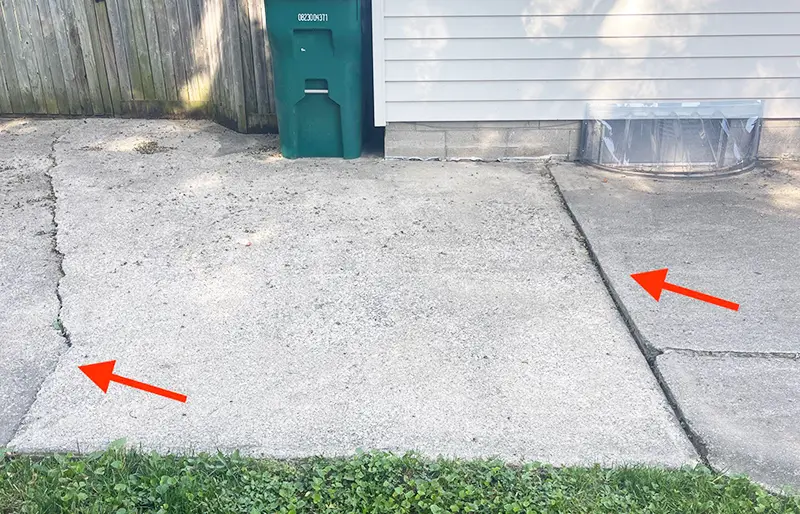
Improving Driveway Drainage Away From a Cameron Home A homeowner in Cameron, Missouri, had a settled driveway section near the house. The slab had lost its proper slope, making it harder for rainwater to drain away from the home. A large crack and an uneven concrete edge had also created a noticeable trip hazard. When a driveway pitches toward a house, water may collect near the foundation or flow toward the garage. Over time, that moisture can contribute to soil erosion, additional concrete settlement, and other drainage concerns. Because the existing driveway was still repairable, polyurethane concrete lifting offered a practical way to improve its position, restore support, and address the damaged area without replacing the entire slab. The Challenge The driveway section near the house had settled and was no longer directing water in the proper direction. The homeowner was dealing with: A driveway sloping toward the house Poor surface-water drainage A large crack in the concrete An uneven walking surface A noticeable trip hazard Reduced support beneath the slab Concern about continued settlement The goal was to lift and support the affected driveway section to create a positive pitch away from the house as much as the existing concrete conditions allowed. The large crack also needed to be repaired to improve the finished surface and help limit water from entering beneath the driveway. The Foamjection Solution After evaluating the settled concrete, the local Foamjection professional recommended polyurethane foam injection to lift and support the affected driveway section. The repair focused on three related issues: Restoring the Driveway Pitch The settled slab was carefully raised to improve its slope away from the house. Creating a more positive pitch helped encourage rainwater to move toward the appropriate drainage area instead of remaining near the home. Supporting the Concrete High-density polyurethane foam filled empty spaces beneath the slab. This restored contact between the driveway and its supporting base, helping stabilize the concrete after it was lifted. Repairing the Large Crack The large crack was repaired after the lifting work was completed. Addressing the crack improved the appearance of the driveway and helped reduce the amount of surface water entering the opening. This targeted approach preserved the existing concrete and avoided the cost, mess, and extended downtime of full driveway replacement. The Fix: 3-Step Process Step 1: Drill Small access holes, approximately 5/8 inch in diameter, were strategically drilled through the settled driveway slab. Step 2: Pump High-density polyurethane foam was injected beneath the concrete. As it expanded, the foam filled hidden voids, restored support, and carefully raised the slab to improve its pitch away from the house. Step 3: Patch and Repair After the lifting was completed, the injection holes were patched and the large crack was repaired. The work area was then cleaned, leaving the driveway ready for normal use shortly afterward. The Results The completed repair improved the driveway’s slope, stability, and walking surface while preserving the existing concrete. The repaired driveway is now: Better pitched away from the house Better positioned for water drainage More evenly supported underneath Safer for walking Free from the original trip hazard Improved around the large crack Less vulnerable to continued movement Most importantly, the lifting process improved how water moves across the driveway and away from the home. Raising the uneven section also created a smoother transition and reduced the risk of someone tripping over the settled concrete. The homeowner received a focused repair without having to remove and replace the entire driveway. Why Driveways Settle Near Homes in Cameron, MO Driveway settlement typically begins when the soil or base beneath the concrete changes. Common contributing factors around Cameron include: Poorly compacted fill soil Water entering through cracks Soil erosion beneath the slab Voids under the concrete Seasonal wet and dry conditions Repeated freezing and thawing Water collecting near the home Once the supporting material weakens or washes away, the heavy concrete can sink into the empty space. If settlement occurs near the house, the driveway may begin sloping in the wrong direction and send water toward the garage or foundation. Polyurethane concrete lifting addresses the problem beneath the surface by filling voids, restoring support, and carefully repositioning repairable slabs. Concrete Driveway Lifting in Cameron, MO A settled driveway near your home can create trip hazards and direct water toward areas where it does not belong. Foamjection connects homeowners with qualified local professionals who can evaluate sinking concrete and recommend an appropriate lifting solution. Learn more about concrete lifting in Cameron, MO if your property has: A driveway sloping toward the house Uneven driveway sections Large concrete cracks Water collecting near the garage Trip hazards between slabs Unsupported or sinking concrete Request a free quote to find out whether your driveway can be lifted, supported, and repaired instead of replaced.
Sunken Driveway Approach Lifting in Madison, NE
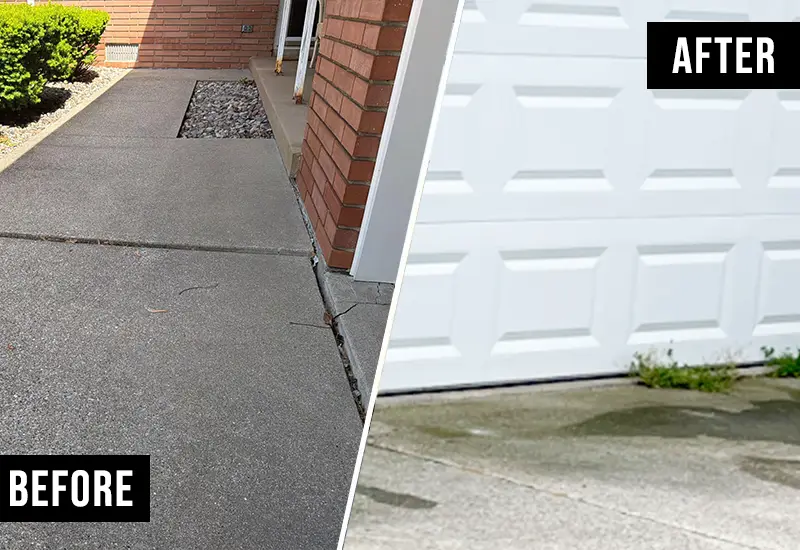
Restoring a Settled Driveway Approach in Madison A residential driveway approach in Madison, Nebraska, had started sinking near the street. The affected concrete had dropped below its original position, creating an uneven transition between the roadway and the rest of the driveway. A settled approach can make entering and leaving the driveway uncomfortable. It may also cause water to collect near the low area, place stress on adjoining slabs, and worsen as vehicles repeatedly pass over the unsupported concrete. Because the existing slab was still in repairable condition, concrete lifting offered a practical way to raise and support the driveway approach without removing and replacing it. The Challenge The driveway approach had lost support underneath and was gradually sinking. The property was experiencing: A sunken driveway entrance An uneven street transition Reduced support beneath the slab Misalignment with nearby concrete Possible water collection A risk of continued settlement The goal was to raise the driveway approach toward its original position and restore support beneath the affected concrete as much as existing conditions allowed. Careful lifting was important because the approach needed to meet the roadway and adjoining driveway sections as smoothly as possible. The repair also needed to withstand regular vehicle traffic after completion. The Foamjection Solution After evaluating the settled approach, the local concrete lifting professional recommended polyurethane foam injection to fill the underlying voids and carefully raise the slab. The repair focused on the sunken concrete at the driveway entrance. Lifting the Driveway Approach High-density polyurethane foam was injected beneath the affected slab in carefully controlled amounts. As the material expanded, it filled empty spaces below the concrete and gradually raised the approach toward its original position. Restoring Support Beneath the Slab In addition to lifting the surface, the expanding foam provided support beneath areas where the underlying soil or base material had shifted. This helped create a more stable foundation for the repaired concrete. The targeted repair preserved the existing driveway approach while avoiding the greater cost, mess, and downtime associated with complete concrete replacement. The Fix: 3-Step Process Step 1: Drill Small access holes, approximately 5/8 inch in diameter, were strategically drilled through the settled driveway approach. Step 2: Pump High-density polyurethane foam was injected beneath the concrete. As the foam expanded, it filled underground voids, restored support, and carefully lifted the sunken slab. Step 3: Patch Once the lifting was complete, the access holes were patched to create a clean, durable finish. The driveway approach was ready for normal use shortly afterward. The Results The completed project improved the driveway entrance while preserving the existing concrete. The repaired approach is now: Closer to its original height More evenly aligned Better supported underneath Smoother for vehicle traffic Less likely to continue settling Better positioned for drainage Most importantly, the lifting process restored support beneath the driveway approach and reduced the uneven transition at the street. The homeowner received a focused repair without the expense and disruption of tearing out and replacing the existing slab. Why Driveway Approaches Sink in Madison, NE Driveway approaches can begin sinking when the soil or base material beneath the concrete no longer provides consistent support. Several conditions may contribute to this problem: Poorly compacted fill soil Water entering along slab edges Erosion beneath the concrete Underground void formation Seasonal freezing and thawing Repeated pressure from vehicles Because driveway approaches sit near the street, they are regularly exposed to runoff, changing weather, and vehicle weight. When supporting material shifts or washes away, the heavy concrete slab can gradually sink into the empty space. Polyurethane concrete lifting addresses the problem below the surface by filling voids, restoring support, and raising repairable concrete. Concrete Driveway Approach Lifting in Madison, NE A sinking driveway approach can create a rough entrance, drainage concerns, and additional stress on nearby concrete. Foamjection connects homeowners with qualified local professionals who can inspect settled slabs and recommend an appropriate lifting solution. Concrete lifting can be used for: Driveway approaches Concrete near curbs Garage entrances Sidewalks and walkways Patios and porches Other settled concrete slabs If the entrance to your driveway has started sinking, request an estimate for concrete lifting in Madison, NE.
Driveway Curb Concrete Raising in Breese, IL
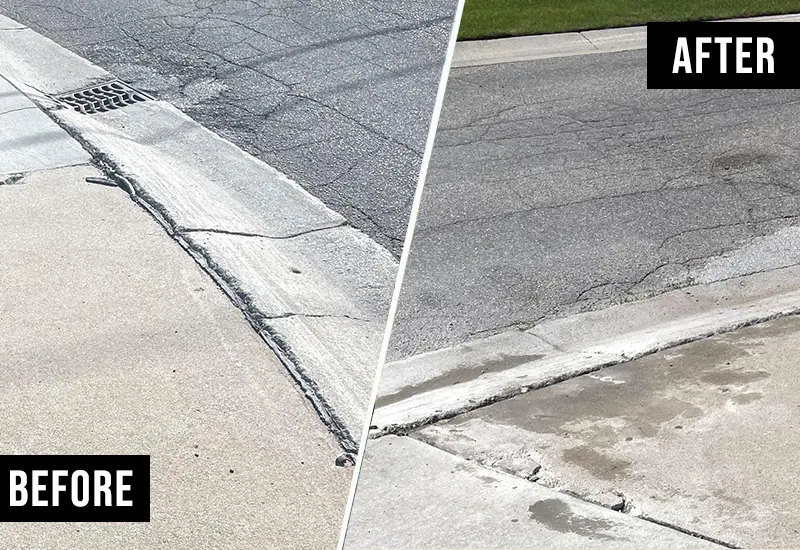
Restoring a Settled Driveway at the Curb in Breese A residential driveway in Breese, Illinois, had settled near the curb, leaving the affected concrete lower than its original position. The uneven area no longer matched the height of the adjacent driveway pads, creating a rough transition at the street. Settlement near the curb can affect how smoothly vehicles enter and leave the driveway. It may also allow water to collect along low slab edges and place additional stress on the concrete. Because the driveway slabs were still in repairable condition, concrete raising provided a practical way to lift and support the affected area without removing and replacing the existing concrete. The Challenge The section of driveway next to the curb had lost support and settled below the surrounding pads. The property was experiencing: A sunken driveway edge An uneven curb transition Misaligned concrete pads Reduced support beneath the slab Possible water collection A risk of continued movement The goal was to raise the driveway at the curb toward its original height and match the neighboring pads as closely as the existing concrete conditions allowed. Careful control during lifting was especially important. The repaired slab needed to create a smoother transition while avoiding unnecessary pressure on the curb or adjoining concrete. The Foamjection Solution After evaluating the settled driveway, the local concrete lifting professional recommended polyurethane foam injection to restore support and carefully raise the affected slab. The repair focused on the driveway section directly beside the curb. Driveway at the Curb Small amounts of expanding polyurethane foam were injected beneath the settled concrete. The foam filled empty spaces below the slab and gradually lifted the driveway toward its original position. Matching the Adjacent Pads The slab was carefully adjusted to align with the neighboring driveway pads as closely as possible. Improving the height between the sections helped create a smoother, more consistent driveway surface. This targeted repair preserved the existing concrete while avoiding the cost, mess, and extended downtime associated with tearing out and replacing the driveway section. The Fix: 3-Step Process Step 1: Drill Small access holes, approximately 5/8 inch in diameter, were strategically drilled through the settled driveway slab. Step 2: Pump High-density polyurethane foam was injected beneath the concrete. As the foam expanded, it filled underground voids, restored support, and carefully raised the slab near the curb. Step 3: Patch Once the lifting was complete, the access holes were patched for a clean, durable finish. The driveway was ready for normal use shortly afterward. The Results The completed project improved the driveway transition at the curb while preserving the existing concrete. The repaired area is now: Closer to its original height Better aligned with adjacent pads More evenly supported underneath Smoother for entering and exiting Less likely to continue settling Better positioned for drainage Most importantly, the lifting process restored support beneath the driveway and reduced the height difference between the affected slab and nearby concrete pads. The homeowner received a focused repair without the disruption and expense of replacing the settled driveway section. Why Driveways Settle Near Curbs in Breese, IL Driveway slabs near the curb can settle when the soil or base material beneath the concrete loses strength or shifts. Several conditions may contribute to this problem: Poorly compacted fill soil Water entering along slab edges Soil erosion near the curb Voids beneath the driveway Repeated freezing and thawing Vehicle weight at the driveway entrance Driveway entrances receive regular pressure from vehicles while also being exposed to street runoff and changing weather. When support beneath the concrete weakens, the slab can gradually sink and separate from neighboring pads. Polyurethane concrete raising addresses the problem beneath the surface by filling voids, restoring support, and lifting repairable slabs. Concrete Driveway Raising in Breese, IL A sunken driveway at the curb can create an uneven entrance, drainage concerns, and added stress on the surrounding concrete. Foamjection connects homeowners with qualified local professionals who can inspect settled slabs and recommend an appropriate lifting solution. Concrete lifting can be used for: Driveway approaches Concrete near curbs Garage entrances Sidewalks and walkways Patios and porches Other settled concrete slabs If your driveway has settled near the street or no longer matches the adjacent pads, request an estimate for concrete raising in Breese, IL.
Driveway and Sidewalk Lifting in Aurora, IN
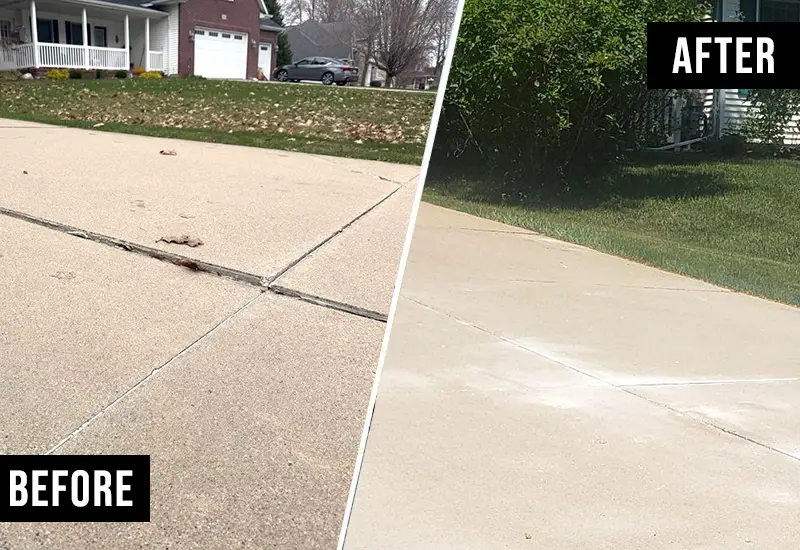
Restoring a Settled Driveway and Sidewalk in Aurora The bottom half of a residential driveway in Aurora, Indiana, had settled below its original position. The loss of support beneath the concrete created an uneven surface and reduced the stability of the affected driveway slabs. Three sidewalk sections adjacent to the driveway had also settled. These uneven areas affected the transition between the driveway and sidewalk and could continue shifting if the empty spaces beneath the concrete were not addressed. Because the existing slabs were still in repairable condition, concrete lifting provided a practical way to raise and support both areas without removing and replacing the concrete. The Challenge Settlement had affected the lower half of the driveway along with the neighboring sidewalk sections. The property was experiencing: A sunken driveway surface Uneven transitions between slabs Three settled sidewalk sections Reduced support beneath the concrete Potential trip hazards A greater risk of continued movement The goal was to return the bottom half of the driveway as close as possible to its original position while restoring support beneath the slabs. The three adjacent sidewalk sections also needed to be raised and supported as much as the existing concrete conditions allowed. Careful lifting was important because the driveway and sidewalk needed to meet as smoothly as possible without damaging the existing concrete. The Foamjection Solution After evaluating the settled areas, the local concrete lifting professional recommended polyurethane foam injection to raise the affected slabs and fill the voids beneath them. The repair focused on two areas: Bottom Half of the Driveway The settled portion of the driveway was carefully lifted toward its original position. Polyurethane foam filled the empty spaces beneath the slabs, restoring support and helping create a smoother driveway surface. Sidewalk Next to the Driveway Three sidewalk sections adjacent to the driveway were raised and supported as much as possible. Correcting these sections helped improve the transition between the driveway and walkway while reducing uneven slab edges. The targeted repair preserved the existing concrete and avoided the greater cost, mess, and downtime associated with complete replacement. The Fix: 3-Step Process Step 1: Drill Small access holes, approximately 5/8 inch in diameter, were strategically drilled through the affected driveway and sidewalk slabs. Step 2: Pump High-density polyurethane foam was injected beneath the concrete. As the foam expanded, it filled underground voids, restored support, and carefully raised the settled slabs. Step 3: Patch After the lifting was completed, the access holes were patched for a clean, durable finish. The repaired concrete was ready for normal use shortly afterward. The Results The completed project improved the lower half of the driveway and the three adjacent sidewalk sections while preserving the existing slabs. The repaired areas are now: Closer to their original position More evenly aligned Better supported underneath Safer for walking and driving Less likely to shift further Smoother at connecting edges Most importantly, the lifting process restored support beneath the settled concrete and improved the transition between the driveway and sidewalk. The homeowner received a focused repair without the disruption and expense of tearing out and replacing both areas. Why Driveways and Sidewalks Settle in Aurora, IN Concrete settlement usually begins when the soil or fill material beneath a slab can no longer provide even support. Several conditions may contribute to this problem: Poorly compacted fill soil Water washing away supporting material Voids beneath the concrete Drainage near slab edges Seasonal soil movement Repeated freezing and thawing As the supporting soil changes, heavy concrete slabs can gradually sink into the empty spaces below. Driveways and nearby sidewalks may settle together because they are exposed to many of the same soil and drainage conditions. Polyurethane concrete lifting addresses the problem beneath the surface by filling voids, restoring support, and raising repairable slabs. Concrete Driveway Lifting in Aurora, IN A settled driveway can create uneven transitions, drainage concerns, and safety issues where it connects with a sidewalk. Foamjection connects homeowners with qualified local professionals who can inspect the affected concrete and recommend an appropriate lifting solution. Concrete lifting can be used for: Driveway approaches Lower driveway sections Sidewalks and walkways Garage entrances Steps and entry areas Other settled concrete slabs If your driveway or sidewalk has started to sink, request an estimate for concrete lifting in Aurora, IN.
Office Entrance Sidewalk Lifting & Drainage Improvement in Bowdon, GA
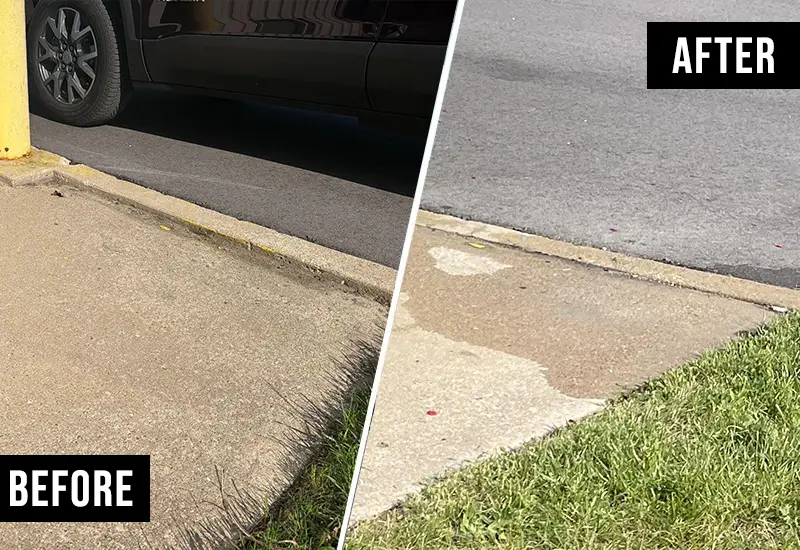
Restoring Safer Access to a Bowdon Office The front sidewalk at an office property in Bowdon, Georgia, had settled near the main entrance. Low areas were holding rainwater instead of allowing it to drain properly, while uneven slab edges created a trip hazard for employees and visitors. The affected concrete extended along the main walkway from the parking lot to the front door. Additional settlement was also present along the south walk. Because the existing sidewalk was still in repairable condition, concrete lifting offered a practical way to improve the walking surface, drainage, and support without replacing the entire walkway. The Challenge The sidewalk near the office entrance had settled unevenly, creating low spots where water collected after rain. The property was experiencing: Standing water near the entrance Poor surface drainage Uneven sidewalk sections Trip hazards between slabs Settlement along the south walk Reduced support beneath the concrete Since this was the main route from the parking lot to the office, the property needed a repair that would improve safety while keeping disruption to a minimum. The goal was to raise and support both walkway areas as much as the existing concrete conditions allowed. The Foamjection Solution After evaluating the main entrance and south walk, the local concrete lifting professional recommended polyurethane foam injection to raise and support the settled slabs. The repair focused on two areas: Main Entrance The sidewalk between the parking lot and front door was carefully raised. Adjusting the settled sections helped create a smoother walking path and improve the slope so water could drain more effectively. South Walk Low sections along the south walk were also raised and supported as much as possible. Filling the voids beneath these slabs helped reduce movement and provide a more stable base. The repair improved both areas without the expense, mess, and downtime of tearing out and replacing the existing sidewalk. The Fix: 3-Step Process Step 1: Drill Small access holes were strategically drilled through the affected sidewalk slabs. Step 2: Pump High-density polyurethane foam was injected beneath the concrete. As the foam expanded, it filled underground voids, supported the slabs, and carefully lifted the low sections. Step 3: Patch Once the lifting was complete, the access holes were patched to leave a clean, durable repair. The sidewalk was ready for normal use shortly afterward. The Results The completed project improved the condition of the main entrance and south walk while preserving the existing concrete. The repaired sidewalk is now: More even from the parking lot to the door Better positioned for water drainage Less likely to hold standing water Safer for employees and visitors Supported beneath settled areas Less vulnerable to continued movement Most importantly, the raised slabs reduced the trip hazard near the office entrance and created a smoother, more dependable walking route. Why Sidewalks Settle in Bowdon, GA Concrete sidewalks can begin settling when the soil or supporting material beneath them changes. Common contributing factors include: Soil erosion from rainwater Poor drainage around slab edges Improperly compacted fill soil Voids beneath the concrete Repeated wet and dry conditions Water flowing toward the walkway As support beneath a slab disappears, the concrete can gradually sink and create low areas. These changes may lead to standing water, uneven joints, and trip hazards. Concrete lifting addresses the problem below the surface by filling voids and restoring support beneath the existing sidewalk. Concrete Sidewalk Lifting in Bowdon, GA Uneven concrete near an office entrance can affect drainage, safety, and the property’s appearance. Foamjection connects property owners with qualified local professionals who can evaluate settled concrete and recommend an appropriate lifting solution. Commercial concrete lifting can be used for: Office entrance sidewalks Walkways and pedestrian routes Storefront entrances Parking lot approaches Steps and entry areas Other settled concrete slabs If your sidewalk is holding water or creating a trip hazard, request an estimate for concrete lifting in Bowdon, GA.
