
Home » Commercial Concrete Lifting » Loading Docks & Ramps
Uneven loading docks and ramps can slow operations and create serious safety risks. Settled concrete can cause uneven transitions between docks, ramps, and trailers, making it harder to move forklifts, pallet jacks, and carts safely. Over time, these issues increase wear on equipment, raise the risk of accidents, and disrupt shipping & receiving workflows.
Foamjection lifts sunken loading dock and ramp slabs back into position without removing or replacing the concrete. Our polyurethane concrete lifting process restores support beneath the slab, improves alignment at dock edges and ramps, and helps keep shipping operations moving with minimal disruption.
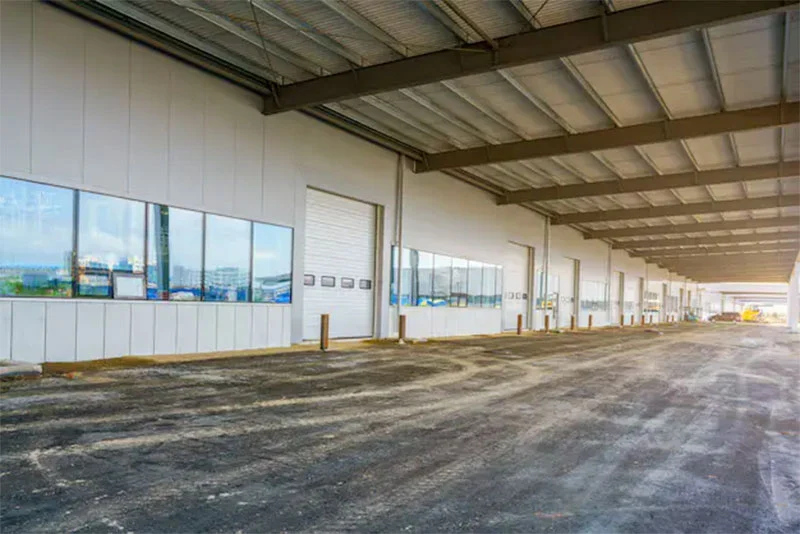
Loading docks and ramps sink when the soil beneath the concrete loses strength. Common causes include:
As support weakens, slabs settle unevenly and create access and safety issues.
You may need leveling if you notice:
Fixing these issues early helps improve safety and maintain smooth operations.
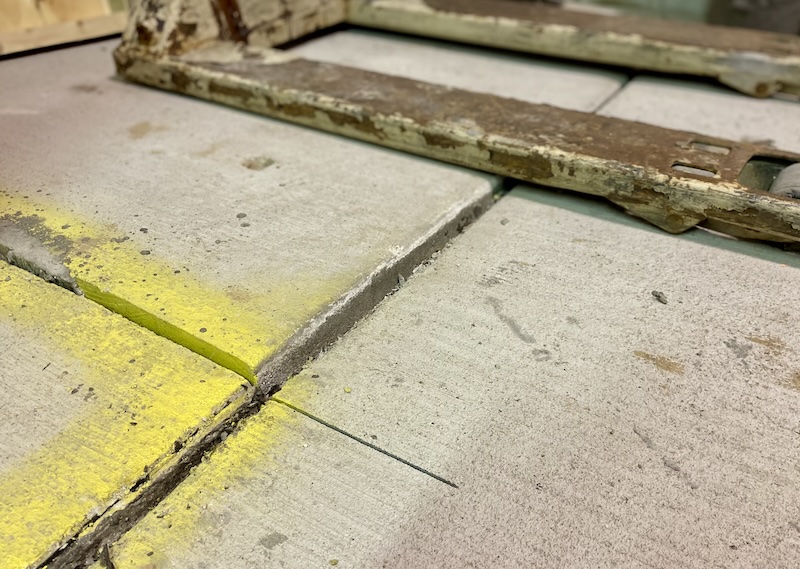
If nearby concrete has also settled, interior floor leveling, warehouse floor leveling, or parking lot leveling may be needed to stabilize connected surfaces and restore consistent elevation throughout the facility.
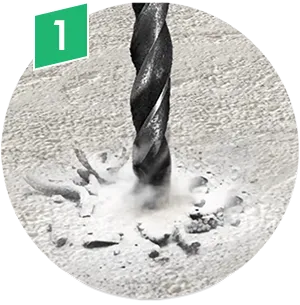
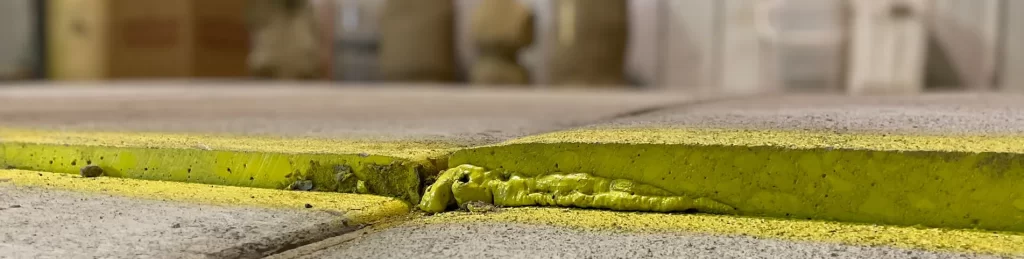
Foamjection levels loading docks and ramps by injecting high-density polyurethane foam beneath the slab. The foam expands to fill voids, lift the concrete, and restore firm support below the surface.
Most dock and ramp leveling projects are completed efficiently, and many surfaces are ready for use the same day.
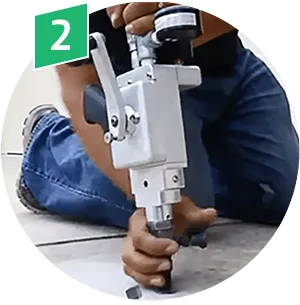
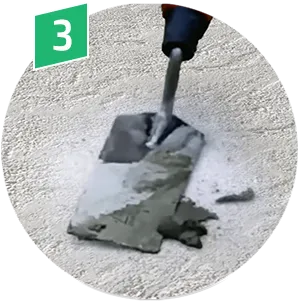
Property owners choose dock and ramp leveling because it restores safe access without extended shutdowns or demolition. Lifting improves alignment, reduces impact stress, and helps protect vehicles and equipment.
For docks and ramps that are intact but uneven, leveling is often the most practical solution.
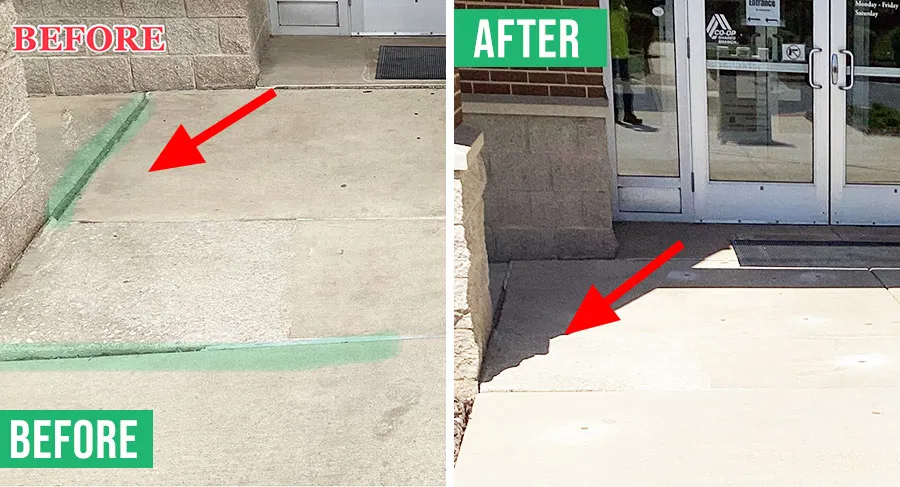
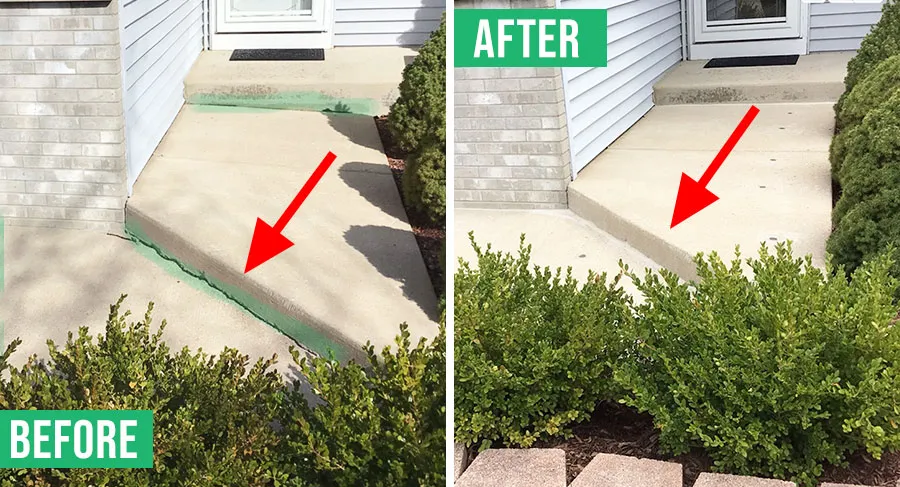
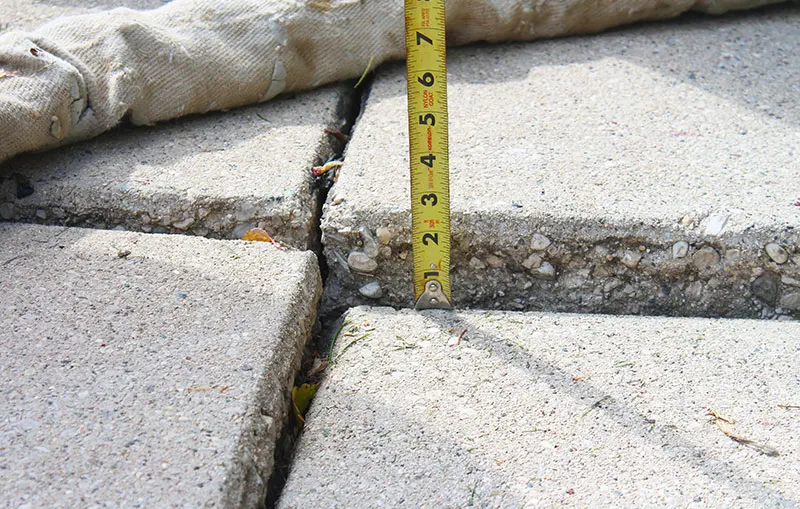
Settlement usually happens when soil beneath the concrete erodes, compacts unevenly, or washes out due to poor drainage and heavy use. Repeated truck traffic and constant loading cycles can speed up this process over time.
Most projects are completed quickly, in just a few hours. In many cases, you can keep operations running like normal.
No. The foam is injected below the concrete and cures quickly. It does not produce lingering odors or fumes, making it suitable for indoor and enclosed dock areas.
Yes. High-density polyurethane foam is designed to support heavy loads. Once the slab is lifted and stabilized, loading docks and ramps can handle regular truck and forklift traffic as intended.
The access holes are small and placed strategically. After lifting, they are patched to blend with the surrounding concrete. They may be visible up close but are minimal compared to the disruption and surface changes caused by replacement.
Yes. Leveling removes uneven transitions, reduces trip hazards, and improves alignment between docks, ramps, and trailers. This helps create a safer environment for workers and equipment during loading and unloading.
Getting an estimate is simple. Contact Foamjection to schedule an evaluation, and we’ll review the dock or ramp conditions, traffic demands, and operational needs. Based on that assessment, you’ll receive a clear, no-obligation estimate outlining the recommended repair and next steps.
Foamjection helps homeowners with expert foam concrete leveling throughout.

Foamjection is the nationwide leader in polyurethane concrete lifting—powered by HMI. Backed by 50+ years of expertise, 20,000+ customers served, and a proven national system, we help homeowners across the U.S. fix sinking concrete using advanced foam injection for long-term stabilization. From uneven walkways and driveways to patios and garage floors, our process delivers reliable concrete repair while helping homeowners save up to 70% compared to replacement.
Looking for a fast, affordable alternative to tearing out concrete?