
Walkway & Sidewalk Leveling
Walkway & Sidewalk Leveling Uneven walkways and sidewalks can create trip hazards, collect water, and make everyday foot traffic unsafe. Even small changes in height can lead to falls, drainage issues, and continued surface damage if left unaddressed. Walkway and sidewalk leveling lifts settled concrete back into position without removing or replacing the slab. Foamjection uses polyurethane concrete lifting to restore support beneath the surface and create safer, more even walking areas around your home. Why Walkways and Sidewalks Sink Sidewalks and walkways sink when the soil beneath the concrete loses strength. Common causes include: Soil erosion from rain and runoff Poor drainage along slab edges Soil compaction loss over time Freeze-thaw movement Voids forming under the concrete Once support is lost, slabs settle unevenly and the height difference becomes a safety concern. Signs Your Walkway or Sidewalk Needs Leveling You may need leveling if you notice: Uneven or sunken sidewalk sections Raised edges between slabs Trip hazards along walking paths Cracks caused by settlement Water pooling on or near walkways Fixing these issues early helps reduce safety risks and further slab movement. If nearby concrete has also shifted, driveway leveling, steps leveling, or porch leveling may be needed to restore consistent height and support across connected surfaces. Addressing all affected areas together helps prevent future settling and uneven transitions. FREE NO-PRESSURE ESTIMATES CALL TODAY 866-913-6519 Name Street Address City State Zip Email Phone Message SUBMIT Edit Template With Foamjection, you get: A solution that costs 50–70% less A Process completed in hours, not days A precise, durable slab lifting solution Eco-friendly materials Local certified expertise Edit Template Our Fix: Polyurethane Walkway & Sidewalk Leveling Foamjection levels walkways and sidewalks by injecting high-density polyurethane foam beneath the concrete. The foam expands to fill voids, lift the slab, and restore firm support below the surface. Small access holes are drilled Foam is injected beneath the slab The concrete is lifted and stabilized Holes are patched after lifting Most walkway and sidewalk leveling projects are completed in one visit, and many surfaces are ready for use the same day. https://foamjection.com/wp-content/uploads/2026/01/Foamjection-Process-Drill.-Pump.-Patch.1.mp4https://foamjection.com/wp-content/uploads/2026/01/Foamjection-Concrete-Raising1.mp4 Why Homeowners Choose Walkway & Sidewalk Leveling Homeowners choose sidewalk leveling because it removes trip hazards without the cost and disruption of replacement. Lifting restores safe walking surfaces, improves drainage, and helps prevent further settlement. Costs less than replacement No tear-out or heavy equipment Minimal impact to landscaping Fast completion time Long-term support under the slab For concrete that is still intact but uneven, leveling is often the most practical solution. The Benefits of Foam Walkway & Sidewalk Leveling Improved safety around the home Lightweight foam that does not overload soil Water-resistant material Controlled, precise lifting Clean work areas Walkway & Sidewalk Leveling Questions What causes sidewalks to settle or shift? Sidewalks and walkways can become uneven when soil beneath the slab erodes, shifts, or expands and contracts with changing weather. Poor drainage and freeze-thaw cycles often contribute to this movement over time. Is sidewalk leveling better than replacing concrete? In most cases, yes. Leveling costs less, takes less time, and avoids removing existing concrete. How long does walkway leveling take? Most projects are completed in a single visit, in just a few hours. Will the repair remove trip hazards? Yes. Leveling restores even slab height and helps reduce tripping risks. Are the access holes noticeable after repair? The holes are small and patched after lifting. They are much less noticeable than replacement seams. Does leveling improve drainage? Yes. Leveling restores the proper slope of the concrete so water drains away from walking areas instead of pooling on the surface. Is the foam safe around my home? Yes. The foam used for concrete lifting is safe around your home and property. Once injected, the polyurethane foam cures quickly and remains sealed below the concrete surface. It does not leach into the soil, does not release toxins, and does not break down over time. The material stays in place and provides long-term support beneath the slab. The foam is also considered an eco-friendly concrete repair option. It is lightweight, requires no concrete removal, and helps reduce landfill waste by lifting existing slabs instead of replacing them. In addition, the foam contains renewable content and is designed to perform without harming surrounding soil, plants, or structures. This makes polyurethane concrete lifting a safe, stable, and environmentally responsible solution for residential concrete repairs. How do I get started with a free estimate? You can request a free estimate by visiting our Contact Us page and submitting the form. We’ll review your request and explain the next steps. What locations does Foamjection serve? Foamjection provides residential concrete lifting in multiple states across the U.S., including Texas, Colorado, Florida, Georgia, Illinois, Wisconsin, and surrounding areas. To see the full list of states and service coverage, visit our Service Area page. Sidewalks and walkways can become uneven when soil beneath the slab erodes, shifts, or expands and contracts with changing weather. Poor drainage and freeze-thaw cycles often contribute to this movement over time. In most cases, yes. Leveling costs less, takes less time, and avoids removing existing concrete. Most projects are completed in a single visit, in just a few hours. Yes. Leveling restores even slab height and helps reduce tripping risks. The holes are small and patched after lifting. They are much less noticeable than replacement seams. Yes. Leveling restores the proper slope of the concrete so water drains away from walking areas instead of pooling on the surface. Yes. The foam used for concrete lifting is safe around your home and property. Once injected, the polyurethane foam cures quickly and remains sealed below the concrete surface. It does not leach into the soil, does not release toxins, and does not break down over time. The material stays in place and provides long-term support beneath the slab. The foam is also considered an eco-friendly concrete repair option. It is lightweight, requires no concrete removal, and helps reduce landfill waste by lifting existing slabs instead of replacing them.
Garage Floor Leveling
Garage Floor Leveling Uneven garage floors can create ongoing problems for homeowners. Low spots allow water to pool, cracks can spread across the surface, and uneven edges create trip hazards. As the slab settles, it can also affect how the garage door closes or seals, allowing moisture, debris, and critters inside. Foamjection lifts sunken garage floor slabs back into position without removing or replacing the concrete. Our polyurethane concrete lifting process restores support beneath the slab, improves drainage, and creates a more stable, level garage floor that’s ready for normal use immediately—for a fraction of the cost of replacement. Why Garage Floors Sink Garage floors sink when the soil beneath the slab loses support. Common causes include: Soil erosion from water runoff Poor drainage near the foundation Backfilled soil settling over time Heavy vehicle weight Voids forming beneath the slab Once the support is compromised, garage floors can continue to sink if left unaddressed. Signs Your Garage Floor Needs Leveling You may need garage floor leveling if you notice: Cracks forming in the slab Gaps between the floor and walls Uneven or sloped surfaces Water pooling inside the garage Doors or equipment no longer sitting level Early repair helps prevent further settlement and foundation-related issues. If settlement has spread beyond the garage, driveway leveling or concrete slab leveling may also be recommended to stabilize connected surfaces. FREE NO-PRESSURE ESTIMATES CALL TODAY 866-913-6519 Name Street Address City State Zip Email Phone Message SUBMIT Edit Template With Foamjection, you get: A solution that costs 50–70% less A Process completed in hours, not days A precise, durable slab lifting solution Eco-friendly materials Local certified expertise Edit Template Our Fix: Polyurethane Garage Floor Leveling Foamjection levels garage floors by injecting high-density polyurethane foam beneath the slab. The foam expands to fill voids, lift the concrete, and restore firm support below the surface. Small access holes are drilled Foam is injected beneath the garage floor The slab is lifted and stabilized Holes are patched after lifting Most garage floor leveling projects are completed in one visit, and many surfaces are ready for use the same day. https://foamjection.com/wp-content/uploads/2026/01/Foamjection-Concrete-Raising1.mp4 Why Homeowners Choose Garage Floor Leveling Homeowners choose garage floor leveling because it fixes uneven slabs without the cost and disruption of replacement. Lifting restores a level surface, improves drainage, and helps protect nearby walls and foundations. Costs less than replacement No tear-out or heavy equipment Minimal impact to surrounding areas Fast completion time Long-term support under the slab For garage floors that are intact but uneven, leveling is often the most practical solution. The Benefits of Foam Garage Floor Leveling Quick repairs with minimal disruption Lightweight foam that does not overload soil Water-resistant material Controlled, precise lifting Clean work areas Garage Floor Leveling Questions What causes garage floors to sink? Garage floors sink due to soil erosion, poor drainage, settling backfill, and heavy vehicle loads. Is garage floor leveling better than replacement? Yes. Garage floor leveling is often a better option than replacement when the concrete is still structurally sound. Leveling raises and stabilizes the existing slab instead of tearing it out. This means lower cost, less disruption, and a much faster repair. In most cases, garage floor leveling costs significantly less than replacement, is completed in a single visit, and allows the space to be used immediately the same day. Replacement is usually only needed when the concrete is severely cracked, broken apart, or failing structurally. For sunken or uneven garage floors, leveling is typically the more practical and cost-effective solution. How long does garage floor leveling take? Most garage floor leveling projects are completed in just a few hours. The exact time depends on the size of the slab and how much settling has occurred, but the process is much faster than full replacement. In most cases, the garage floor is ready for use the same day once the work is complete and the area is cleaned. Can I park in my garage after leveling? In many cases, yes. Once the garage floor leveling is complete and the area is cleaned, the surface is often ready for normal use the same day. The exact timing can depend on the size of the slab and the scope of the repair, but polyurethane foam cures quickly and does not require long waiting periods like concrete replacement. Will the foam wash out over time? No. Polyurethane foam is water-resistant and remains stable after curing. Are the repair holes noticeable? The repair holes are small and discreet. After lifting, they are patched to blend with the surrounding concrete and are far less noticeable than seams or surface changes from full replacement. While the patches may be visible up close, they do not affect the strength, safety, or use of the concrete and are typically minimal once the area is cleaned. Does garage floor leveling help with water drainage? Yes. Garage floor leveling can help improve water drainage when settling has caused low spots or uneven slopes. By lifting the concrete back to its proper height and angle, leveling helps water flow away from the garage instead of pooling near doors, walls, or drains. This can reduce moisture issues and help prevent future damage caused by standing water. What locations does Foamjection serve? Foamjection provides residential concrete lifting in multiple states across the U.S., including Texas, Colorado, Florida, Georgia, Illinois, Wisconsin, and surrounding areas. To see the full list of states and service coverage, visit our Service Area page. Garage floors sink due to soil erosion, poor drainage, settling backfill, and heavy vehicle loads. Yes. Garage floor leveling is often a better option than replacement when the concrete is still structurally sound. Leveling raises and stabilizes the existing slab instead of tearing it out. This means lower cost, less disruption, and a much faster repair. In most cases, garage floor leveling costs significantly less than replacement, is completed in a single visit, and allows the space to be used immediately the same day. Replacement is usually only needed when
Driveway Leveling
Concrete Driveway Leveling Uneven concrete driveways create everyday safety and usability issues. Kids can trip & fall while playing, strollers catch on raised edges, snow shovels hit uneven lips, and cars can scrape or feel misaligned when entering the garage. Settled concrete can also affect how a garage door closes or seals. As a driveway continues to sink, water collects in low spots, cracks form, and the surface worsens over time. Foamjection lifts sunken driveway slabs back into position without removing or replacing the concrete. Our polyurethane concrete lifting process quickly restores support beneath the driveway, improves drainage, and creates a safer, more level surface for daily use. Why Driveways Sink Driveways sink when the soil beneath the concrete can no longer support the weight of the slab. Common causes include: Soil erosion from rain and runoff Poor drainage along driveway edges Soil compaction loss over time Heavy vehicle traffic Voids forming under the slab Once support is lost, driveway sections settle unevenly and continue to shift if left untreated. Signs Your Driveway Needs Leveling You may need driveway leveling if you notice: Uneven or sunken driveway sections Cracks caused by settlement Water pooling near the garage or home Gaps between driveway slabs Hollow sounds under the concrete Addressing these issues early helps prevent further damage and more costly repairs. If your driveway has settled, nearby concrete may be affected as well. Many homes experience related issues with walkways and sidewalks, garage floors, or porches due to shared soil movement and drainage conditions. Addressing connected slabs together helps restore consistent height, improve drainage, and reduce the chance of future settling across your property. FREE NO-PRESSURE ESTIMATES CALL TODAY 866-913-6519 Name Street Address City State Zip Email Phone Message SUBMIT Edit Template With Foamjection, you get: A solution that costs 50–70% less A Process completed in hours, not days A precise, durable slab lifting solution Eco-friendly materials Local certified expertise Edit Template Our Fix: Polyurethane Driveway Leveling Foamjection levels driveways by injecting high-density polyurethane foam beneath the concrete slab. The foam expands to fill voids, lift the slab, and restore firm support below the surface. This process allows controlled lifting without tearing out concrete or adding excess weight to weak soil. Small access holes are drilled Foam is injected beneath the driveway The slab is lifted and stabilized Holes are patched after lifting Most driveway leveling projects are completed in just a few hours, and your concrete is ready for use the same day. https://foamjection.com/wp-content/uploads/2026/01/Driveway-Leveling-with-Foamjection.mp4 Why Homeowners Choose Driveway Leveling Homeowners choose driveway leveling because it fixes the problem without the cost and disruption of replacement. Lifting restores a smooth driving surface, improves drainage, and helps protect the home and surrounding areas. Costs less than replacement No tear-out or heavy equipment Minimal impact to landscaping Fast completion time Long-term support under the slab For driveways that are still intact but uneven, leveling is often the most practical solution. The Benefits of Foam Driveway Leveling Quick repairs with minimal disruption Lightweight foam that does not overload soil Water-resistant material Precise, controlled lifting Clean work areas Driveway Leveling Questions What causes driveway slabs to sink? Driveway slabs often sink when the soil beneath them erodes, settles, or shifts over time. Poor drainage, water runoff, and heavy vehicle traffic can all place added stress on the concrete and weaken the soil below, leading to uneven or sunken sections. Is driveway leveling better than replacing concrete? Yes. Driveway leveling is often a better option than replacing the concrete when the slab is still structurally sound. Leveling lifts and stabilizes the existing driveway instead of tearing it out. This keeps costs lower, shortens the repair timeline, and avoids the mess and disruption of demolition. Many driveway leveling projects are completed in just a few hours, and the surface is ready for use immediately. Concrete replacement is usually only necessary when the driveway is severely cracked, broken apart, or failing structurally. For sunken or uneven driveways, leveling is typically the more practical, affordable, and efficient solution. How long does driveway leveling take? Most driveway leveling projects are completed in just a few hours, in a single visit. No mess. No big equipment in your yard. Just level, stable concrete. Can I drive on the driveway after leveling? Yes! Immediately. How long does driveway leveling last? Driveway leveling is designed to be a long-lasting solution when the underlying soil issues are properly addressed. Polyurethane foam is waterproof, lightweight, and does not break down over time. Once it fills voids and restores support beneath the driveway, it helps stabilize the slab and reduce future settlement. Proper drainage around the driveway also plays an important role in long-term performance. While no repair can prevent all future soil movement, driveway leveling provides durable support and often extends the life of the concrete for many years. Will the foam wash out over time? No. The foam will not wash out over time. The polyurethane foam used for concrete lifting is a closed-cell, waterproof material. Once it cures, it does not absorb water, break down, or dissolve in wet conditions. This allows it to stay in place beneath the slab and continue supporting the concrete long term. Because the foam fills voids and helps stabilize the soil below, it actually reduces future washout caused by water movement, making it a reliable solution for driveways and other exterior concrete surfaces. Are the repair holes noticeable? The access holes used during driveway leveling are small and carefully placed. After the lifting is complete, they are filled and finished to blend with the surrounding concrete. As the surface weathers over time, these patches typically become less noticeable. While you may still see them up close, they are minimal compared to the visible seams, joints, and surface changes that come with full concrete replacement and do not affect the driveway’s strength or performance. Does driveway leveling fix pooling water or drainage issues? Yes. By lifting low areas back to the proper height, leveling restores the
Poly Leveling vs Mudjacking
Poly Leveling vs Mudjacking Poly Leveling vs Mudjacking And Why Poly Leveling Is Superior When concrete sinks, two repair methods are often considered: poly leveling and mudjacking. Both aim to lift settled concrete, but they work very differently and deliver very different results. Understanding these differences helps property owners choose the right solution for long-term stability. What Is Poly Leveling? Poly leveling uses high-density polyurethane foam to lift and support sunken concrete. The foam is injected beneath the slab, where it expands, fills voids, and raises the concrete into place. This method is also known as polyjacking or foam concrete leveling. What Is Mudjacking? Mudjacking uses a slurry made of soil, sand, cement, and water. This mixture is pumped under the slab to lift it. Mudjacking has been used for decades, but the material and process come with limitations. Key Differences at a Glance Feature Poly Leveling Mudjacking Material Polyurethane foam Cement-based slurry Weight Lightweight Heavy Cure Time Fast Slower Hole Size Small Larger Water Resistance Yes No Long-Term Stability High Lower Why Weight Matters Soil is often the reason concrete sinks. Adding heavy material back into weak soil can cause further settlement. Poly leveling foam is lightweight. It lifts the slab without adding stress to the soil. Mudjacking adds significant weight beneath the slab. Over time, this extra load can cause the concrete to sink again. Precision and Control Poly leveling allows controlled lifting. The foam expands gradually and can be adjusted during the process. Mudjacking is harder to control. The slurry flows freely and may lift unevenly or overshoot the target height. Water Resistance Polyurethane foam does not absorb water. It resists erosion and stays in place even in wet conditions. Mudjacking material contains soil and cement. Water can wash it out over time, especially in areas with drainage issues. Hole Size and Surface Impact Poly leveling uses small injection holes. These holes are patched after lifting and are less noticeable. Mudjacking requires larger holes to move thick slurry. These patches are more visible after repair. Speed of Repair Poly leveling cures quickly. Many surfaces can be used the same day. Mudjacking takes longer to cure. Some areas may need extended downtime before use. Longevity of the Repair Poly leveling is designed for long-term support. The foam keeps its shape and strength after installation. Mudjacking material can break down, shift, or wash away, which may require future repairs. When Mudjacking May Still Be Used Mudjacking can still be applied in certain situations, such as temporary fixes or low-use areas. However, it is often chosen based on cost alone rather than long-term performance. Why Foamjection Uses Poly Leveling Foamjection uses poly leveling because it provides: Better control during lifting Less stress on weak soil Faster return to use Longer-lasting support For most residential, commercial, and municipal concrete repairs, poly leveling offers a more reliable solution. Choosing the Right Concrete Repair Method If your concrete is intact but has settled due to soil issues, poly leveling is often the better choice. It fixes the problem at the source without replacing the slab. Foamjection evaluates each project carefully to determine the best repair approach based on site conditions and slab performance. Get a Free Concrete Leveling Estimate Whether your driveway is sinking, your sidewalk is a trip hazard, or your patio is dropping near the foundation, Foamjection delivers a fast, clean, cost-effective fix using proven foam lifting technology. With Foamjection, you get: A solution that costs 50–70% less A Process completed in hours, not days A precise, durable slab lifting solution Eco-friendly materials Local certified expertise Clear answers. No obligation CALL FOR ESTIMATE 866-913-6519 Name Street Address City State Zip Email Phone Message SUBMIT Edit Template
Concrete Leveling Process
Concrete Leveling Process Foamjection fixes sunken and uneven concrete using polyurethane concrete lifting. This process raises the slab from below without removing or replacing concrete. The goal is simple: lift the concrete, fill empty space, and restore support under the slab. Most projects are completed in a single visit and cause minimal disruption. Step 1: Evaluate the Concrete & Drill Access Holes The process starts with an on-site evaluation. Foamjection checks how far the concrete has settled, where voids exist beneath the slab, and how soil or water movement contributed to the issue. Once lift points are identified, small access holes are drilled through the concrete surface. These holes allow controlled access beneath the slab without large cuts or demolition. Step 2: Inject Polyurethane Foam & Lift the Slab High-density polyurethane foam is injected beneath the concrete through the access holes. As the foam expands, it fills voids, lifts the slab, and restores firm support below the surface. The lift is performed gradually and adjusted in real time to ensure the concrete reaches the proper height and alignment. Step 3: Patch, Clean, and Return to Use After the slab is level, the access holes are patched and the work area is cleaned. There is no heavy equipment, no large mess, and no damage to nearby surfaces. In most cases, the concrete is ready for use the same day. FREE NO-PRESSURE ESTIMATES CALL TODAY 866-913-6519 Name Street Address City State Zip Email Phone Message SUBMIT Edit Template With Foamjection, you get: A solution that costs 50–70% less A Process completed in hours, not days A precise, durable slab lifting solution Eco-friendly materials Local certified expertise Edit Template Why Polyurethane Concrete Lifting Works Polyurethane foam is designed to resist water and soil erosion. Unlike traditional fill materials, it does not wash out or shrink over time. Key benefits include: Faster repairs Lower cost than replacement Minimal surface disruption Long-term slab support A Proven Fix for Many Concrete Problems Foamjection uses this process to level: Driveways Sidewalks and walkways Patios and porches Garage floors Interior and exterior slabs Commercial and municipal concrete If the concrete is intact but has settled, this process is often the most practical solution. Get a Free Concrete Leveling Estimate Whether your driveway is sinking, your sidewalk is a trip hazard, or your patio is dropping near the foundation, Foamjection delivers a fast, clean, cost-effective fix using proven foam lifting technology. With Foamjection, you get: A solution that costs 50–70% less A Process completed in hours, not days A precise, durable slab lifting solution Eco-friendly materials Local certified expertise Clear answers. No obligation CALL FOR ESTIMATE 866-913-6519 Name Street Address City State Zip Email Phone Message SUBMIT Edit Template Foamjection Near You Serving 30+ States and Expanding Foamjection helps homeowners with expert foam concrete leveling throughout. America’s #1 Concrete Lifting Company Arkansas Colorado Connecticut Delaware Florida Georgia Idaho Illinois Indiana Iowa Kansas Kentucky Maryland Michigan Minnesota Mississippi Missouri Montana Nebraska New York North Carolina Ohio Oregon South Dakota Texas Utah Washington Wisconsin Edit Template
FAQs
Frequently Asked Questions Frequently Asked Questions We’ve answered the most common questions homeowners and property managers ask about concrete lifting, polyurethane foam, estimates, warranties, and long-term results. How It Works How do you fix sinking concrete? Foamjection fixes sinking concrete by injecting high-density polyurethane foam beneath the slab. Small holes are drilled, and the foam is injected into weak or empty areas under the concrete. As the foam expands, it fills voids, stabilizes the soil, and gently lifts the slab back into position—all without removing or replacing the concrete. Learn more about the full process. Why does concrete sink in the first place? Concrete usually sinks because the soil beneath it weakens or shifts over time. This can happen due to poor soil compaction during construction, water erosion, drainage issues, freeze-thaw cycles, or washout around the slab. When the soil loses strength, the concrete no longer has solid support and begins to settle unevenly. What kind of material do you use to raise concrete? Foamjection uses high-density polyurethane foam to raise, level, and stabilize concrete. The material starts as a liquid and is injected beneath the slab, where it expands to fill hidden voids, strengthen weak soil, and gently lift the concrete back into position. Once cured, the foam becomes a durable, moisture-resistant solid that does not break down in wet conditions or add unnecessary weight to already unstable soil. Because the foam is lightweight yet strong, it helps support the slab without contributing to future settlement. Compared to traditional mudjacking materials, polyurethane foam requires fewer and smaller injection holes, making the repair far less noticeable. The process is also cleaner, faster, and more precise, with most surfaces ready for use the same day. Foamjection’s polyurethane foam is designed for long-term performance and environmental responsibility. It contains renewable content, does not leach harmful chemicals into the soil or groundwater, and eliminates the need for concrete tear-out and landfill waste. By lifting and stabilizing existing concrete instead of replacing it, homeowners get a lasting repair that’s better for their property — and the environment. What is the difference between mudjacking and polyurethane concrete raising? Mudjacking uses a heavy cement-based slurry to lift concrete, while polyurethane lifting uses lightweight expanding foam. Foam requires smaller holes, adds very little weight to the soil, cures faster, and offers more precise control during lifting. Because of this, polyurethane lifting is often cleaner, faster, and longer-lasting than traditional mudjacking. What We Can Lift What concrete can be raised or repaired? Foamjection can lift and stabilize many types of concrete, including: Driveways Sidewalks and walkways Patios and porches Garage floors Steps and stoops Pool decks Interior concrete floors Learn more about our residential & commercial services here: Residential Concrete Leveling / Commercial Concrete Leveling Can you lift stamped or decorative concrete without damaging it? Yes, in most cases. Polyurethane foam lifting is a controlled process that gently raises the slab from below. Because the slab itself is not removed or broken apart, decorative and stamped concrete can often be lifted while preserving its appearance. Can you lift concrete inside a home or building? Yes. Foamjection is commonly used for interior concrete floors in homes, warehouses, factories, and other buildings. The equipment is compact, and the process does not require large machinery or demolition, making it ideal for indoor applications. What happens if there’s a big empty space under my slab? Large voids are one of the main reasons concrete settles. Foamjection’s expanding foam is designed to flow into empty spaces beneath the slab, filling those voids and restoring support. This not only lifts the concrete but also stabilizes the soil to help prevent future settlement. Cost, Estimates, and Warranty How much does concrete raising cost? The cost depends on several factors, including the size of the slab, how far it has settled, and the condition of the soil underneath. In most cases, concrete lifting costs significantly less than full replacement. The best way to get accurate pricing is to call for your FREE quote. What is the quote process like? After you request a quote, we will schedule a time to stop out and review your concrete issue, assess whether lifting is the right solution, and provide clear pricing and next steps. How long does your warranty last, and what’s included? Warranty coverage varies by project, but Foamjection focuses on long-term stabilization—not just lifting the slab. We will explain warranty details clearly before work begins so you know exactly what’s covered. Concrete Replacement vs. Concrete Raising Is concrete lifting better than replacing it? For many homeowners and businesses, yes. Concrete lifting can save up to 70% compared to replacement, avoids demolition, reduces downtime, and keeps existing concrete out of landfills. Replacement is sometimes necessary for severely damaged slabs, but lifting is often the smarter first option. Process & Timing How long does the concrete lifting process take? Most concrete lifting projects are completed in just a few hours. The exact time depends on the size of the slab and the complexity of the job, but it’s much faster than removing and replacing concrete. When can I use the surface again? In most cases, surfaces are ready to use almost immediately after lifting. Polyurethane foam cures quickly, so there’s typically no long waiting period before walking or driving on the concrete. What will my concrete look like after it’s lifted? After lifting, the slab will be level and stable. The small injection holes are patched and blended to be as discreet as possible. While patches may remain visible up close, the surface is far less noticeable than cracked or sunken concrete. Is concrete lifting messy or disruptive? No. The process is clean and minimally invasive. There’s no heavy demolition, no large equipment tearing up your yard, and no extended curing time like with replacement. And the injection holes are tiny and neatly patched, so your concrete continues to look nice. Will there be heavy trucks on my lawn? Typically, no. Foamjection uses compact equipment and hoses that allow technicians to reach the slab without driving heavy vehicles across
Photos
Concrete Lifting Photos & Videos Real Results. Real Concrete Repairs. Every photo you see here shows actual Foamjection concrete lifting work—from sinking driveways and uneven sidewalks to large commercial and municipal slabs that needed fast, reliable repair. What These Photos Show Sunken driveways raised back into position Trip hazards removed from sidewalks and walkways Uneven patios, porches, and pool decks leveled Interior and exterior concrete floors stabilized Large commercial slabs lifted with minimal disruption Each job starts by identifying voids beneath the concrete, then injecting high-density polyurethane foam to lift, support, and stabilize the slab. https://foamjection.com/wp-content/uploads/2026/01/Foamjection-Concrete-Raising1.mp4 Load More End of Content. Concrete Lifting in Action Watch real projects as concrete is lifted, leveled, and stabilized.https://foamjection.com/wp-content/uploads/2026/01/Foamjection-Process-Drill.-Pump.-Patch.1.mp4https://www.youtube.com/watch?v=Qn1cHjzZeW4https://foamjection.com/wp-content/uploads/2026/01/Foamjection.com1_.mp4https://foamjection.com/wp-content/uploads/2026/01/Driveway-Lifting-and-Leveling-with-Foamjection1.mp4https://foamjection.com/wp-content/uploads/2025/12/patio-leveling-.mp4https://www.youtube.com/watch?v=hsx4cYinrzchttps://foamjection.com/wp-content/uploads/2025/12/Pool-Deck-Leveling.mp4https://foamjection.com/wp-content/uploads/2026/01/Pool-Deck-Leveling-with-Foamjection.mp4https://foamjection.com/wp-content/uploads/2025/12/Pool-Deck-Leveling-Before-_-After.mp4https://www.youtube.com/watch?v=WStCfuv0o-0 Built for Homes, Businesses, and Public Spaces Foamjection works on a wide range of concrete surfaces, including residential, commercial, and municipal projects. Whether it’s a single driveway slab or a large facility floor, the process stays the same—fast, clean, and built to last. If you’re dealing with sinking or uneven concrete, these photos show what’s possible—without demolition, mess, or unnecessary expense. Foamjection Near You Serving 30+ States and Expanding Foamjection helps homeowners with expert foam concrete leveling throughout. America’s #1 Concrete Lifting Company Arkansas Colorado Connecticut Delaware Florida Georgia Idaho Illinois Indiana Iowa Kansas Kentucky Maryland Michigan Minnesota Mississippi Missouri Montana Nebraska New York North Carolina Ohio Oregon South Dakota Texas Utah Washington Wisconsin Edit Template
Void Filling

Void Filling Restore Support Beneath Concrete Before Bigger Problems Develop Voids form when soil beneath concrete washes out, erodes, or settles unevenly. These hidden gaps can exist for months or years before visible damage appears. Over time, voids weaken slab support and often lead to sinking concrete, cracking, and drainage issues. Foamjection addresses these problems with targeted void filling. By injecting high-density polyurethane foam beneath the slab, we fill empty space, displace trapped water, and stabilize weak soil — all without removing concrete or disturbing the surface above. Void filling is often used as a preventative repair or combined with concrete leveling to help ensure long-term stability. Eco-friendy, fast, effective, affordable. Why Voids Form Under Concrete Voids develop over time due to changes below the surface. Common causes include: Soil erosion from water flow Poor drainage around the slab Soil compaction loss Plumbing leaks beneath concrete Natural soil movement Left untreated, voids grow larger and increase the risk of sudden slab failure. Where Void Filling Is Used Void filling is effective under many concrete surfaces, including: Driveways and sidewalks Garage and basement floors Patios and porches Interior concrete slabs Commercial and industrial floors Municipal and public infrastructure Void filling can also be performed as a standalone service or combined with slab lifting when needed. FREE NO-PRESSURE ESTIMATES CALL TODAY 866-913-6519 Name Street Address City State Zip Email Phone Message SUBMIT Edit Template With Foamjection, you get: A solution that costs 50–70% less A Process completed in hours, not days A precise, durable slab lifting solution Eco-friendly materials Local certified expertise Edit Template Our Fix: Polyurethane Void Filling Foamjection stabilizes concrete by filling hidden voids beneath the slab with high-density polyurethane foam. Instead of removing concrete, the foam is injected below the surface where it expands to fill empty space, restore soil support, and prevent further settlement. When needed, the process can also provide controlled lifting. Small access holes are drilled through the slab Polyurethane foam is injected into the voids below The foam expands to fill empty space and stabilize the soil Access holes are patched after injection Most void filling projects are completed efficiently, and in many cases, the concrete is ready for use the same day. BEFORE Uneven concrete poses substantial hazards that can result in serious injuries. Addressing and repairing uneven concrete promptly is essential to ensure safety and mitigate potential risks. AFTER Concrete lifting creates a smooth, level surface by filling low spots, offering a quick and eco-friendly solution that reduces risks and saves money. Signs You May Need Void Filling You may have voids under your concrete if you notice: Hollow sounds when tapping the slab Visible gaps along slab edges Sudden sinking or cracking Water draining under concrete Uneven or unstable surfaces Addressing voids early helps prevent larger and more costly repairs. Why Polyurethane Foam Works for Void Filling Polyurethane foam is designed to perform below the surface. Key advantages include: Lightweight material that does not overload soil Water-resistant properties Fast cure time Long-term stability Unlike traditional fill materials, the foam does not wash out or break down in wet conditions. Void Filling FAQs What is void filling? Void filling is a process that fills empty space beneath concrete using polyurethane foam. It restores support under the slab and helps prevent sinking or cracking. What causes voids to form under concrete? Voids form when soil washes away due to water flow, poor drainage, soil movement, or plumbing leaks. Water flowing beneath a slab slowly carries soil away, leaving empty space behind. Over time, this loss of support causes concrete to settle. How does polyurethane foam fill voids? The foam is injected beneath the concrete where empty space exists. As it expands, it fills the void and creates firm support under the slab. Is void filling different from concrete lifting? Void filling focuses on stabilizing the soil and filling empty space. In some cases, minor lift may occur, but the primary goal is to restore support and prevent future movement. If lifting is needed, void filling is often combined with concrete leveling. Will the foam wash out over time? No. Polyurethane foam is water-resistant and does not dissolve or wash away once it cures. How long does void filling take? Most void filling projects are completed quickly, often within a few hours depending on the size of the voids. Treated areas are stable immediately after installation. Is void filling safe for my property? Yes. Once cured, the foam becomes a stable material beneath the slab. It is waterproof, does not leach into soil, and is designed for long-term underground use. Will void filling disrupt landscaping or structures? No. The process uses small access points drilled through the concrete or soil. There is no excavation, heavy equipment, or removal of surrounding soil, which helps protect nearby landscaping and structures. What areas can benefit from void filling? Void filling is used under driveways, sidewalks, patios, garage floors, interior slabs, and commercial concrete surfaces. How do I know if I need void filling? Signs include hollow sounds, visible gaps under slab edges, sudden settling, or water draining under concrete. An inspection helps confirm if voids are present. Void filling is a process that fills empty space beneath concrete using polyurethane foam. It restores support under the slab and helps prevent sinking or cracking. Voids form when soil washes away due to water flow, poor drainage, soil movement, or plumbing leaks. Water flowing beneath a slab slowly carries soil away, leaving empty space behind. Over time, this loss of support causes concrete to settle. The foam is injected beneath the concrete where empty space exists. As it expands, it fills the void and creates firm support under the slab. Void filling focuses on stabilizing the soil and filling empty space. In some cases, minor lift may occur, but the primary goal is to restore support and prevent future movement. If lifting is needed, void filling is often combined with concrete leveling. No. Polyurethane foam is water-resistant and does
Commercial Concrete Lifting
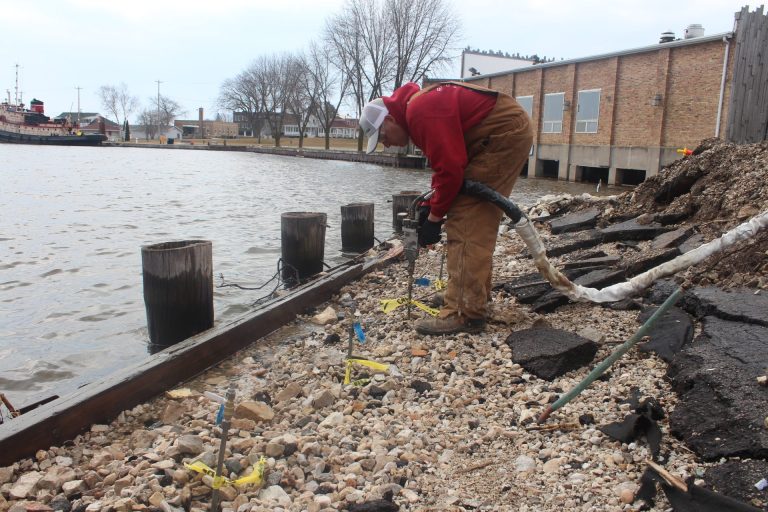
Commercial Concrete Lifting Commercial Concrete Lifting Uneven concrete at commercial properties creates safety risks, drainage problems, and liability concerns. Commercial concrete lifting raises settled slabs without removing or replacing concrete. Foamjection uses polyurethane concrete lifting to stabilize concrete surfaces while keeping disruption to a minimum. Commercial Areas We Lift Foamjection provides concrete lifting for: Warehouse Floors – Lift and stabilize warehouse floors to restore level surfaces and support heavy equipment. Factory Floors – Correct uneven factory floors to improve safety, drainage, and daily operations. Interior Floor Leveling – Level interior concrete floors without disrupting business operations or occupants. Loading Docks & Ramps – Raise sunken loading docks and ramps to improve access and reduce safety risks. Parking Lots – Fix settled parking lot slabs to reduce trip hazards and extend surface life. Strip Malls – Lift uneven walkways and slab areas to improve safety and curb appeal. Airport Runways & Hangars – Stabilize runway and hangar slabs with precise, controlled concrete lifting. Churches – Restore level walkways, entryways, and slab surfaces while preserving the property. Hospitals – Lift concrete slabs to reduce trip hazards and maintain safe access areas. Schools – Level sidewalks, entryways, and slab surfaces to improve safety for students and staff. Senior Centers – Correct uneven concrete to reduce fall risks and improve accessibility. Hotels – Repair sunken slabs around entrances, walkways, and common areas with minimal disruption. Sea Walls – Stabilize concrete sea walls affected by erosion and voids beneath the structure. Municipal – Lift public concrete slabs to restore safety and reduce replacement costs. Highways – Raise settled highway slabs to remind smooth transitions and structural support. Why Commercial Concrete Sinks Concrete at commercial sites sinks when the soil beneath it loses strength. Common causes include: Soil erosion from water flow Heavy vehicle and equipment loads Poor drainage under slabs Long-term soil movement Voids forming beneath concrete Settlement worsens over time if the support below the slab is not restored. FREE NO-PRESSURE ESTIMATES CALL TODAY 866-913-6519 Name Street Address City State Zip Email Phone Message SUBMIT Edit Template With Foamjection, you get: A solution that costs 50–70% less A Process completed in hours, not days A precise, durable slab lifting solution Eco-friendly materials Local certified expertise Edit Template Our Fix: Polyurethane Concrete Lifting Foamjection lifts commercial concrete by injecting high-density polyurethane foam beneath the slab. The foam expands to fill voids, raise the concrete, and restore support below the surface. This method allows controlled lifting without removing concrete or adding excess weight to weak soil. Small access holes are drilled Foam is injected below the concrete The slab is lifted and stabilized Holes are patched after lifting Most commercial projects are completed quickly, and many surfaces are ready for use the same day. https://www.youtube.com/watch?v=bS-biAZafgE Why Property Owners Choose Concrete Lifting Property owners choose concrete lifting because it solves uneven concrete without the cost, mess, and downtime of replacement. Lifting restores safety, improves drainage, and helps prevent further settlement. It also keeps existing concrete in place, which helps protect surrounding structures and surfaces. Costs less than replacement No tear-out or heavy equipment Minimal disruption to operations Fast completion time Long-term support under the slab For concrete that is still intact but uneven, lifting is often the most practical and cost-effective solution. The Benefits of Foam Concrete Leveling Minimal downtime for operations Lightweight foam that does not overload soil Water-resistant material Controlled and precise lifting Clean work areas Commercial Concrete Lifting Questions What types of commercial properties do you service? Foamjection provides concrete lifting for warehouses, factories, parking lots, retail centers, facilities, and public infrastructure where slabs have settled. Can commercial concrete lifting be done without shutting down operations? In many cases, yes. Foam lifting allows work to be completed with minimal disruption and limited downtime. How long does commercial concrete lifting take? Most projects are completed quickly, depending on slab size, access, and settlement conditions. Is polyurethane foam strong enough for heavy loads? Yes. The foam is designed to support vehicle traffic, equipment, and ongoing commercial use. Is concrete lifting better than replacement for commercial sites? Often, yes. Lifting costs less, takes less time, and avoids demolition when the slab is still intact. Can concrete lifting fix trip hazards at commercial properties? Yes. Lifting restores level surfaces and helps remove uneven transitions that create safety risks. Will the foam wash out over time? No. Polyurethane foam is water-resistant and remains stable after curing. Are the access holes noticeable after repair? The holes are small and patched after lifting, making them far less noticeable than replacement seams. Can large commercial slabs be lifted evenly? Yes. The lifting process is controlled and adjusted during installation to level the slab properly. What locations does Foamjection serve? Foamjection provides commercial concrete lifting in multiple states across the U.S., including Texas, Colorado, Florida, Georgia, Illinois, Wisconsin, and surrounding areas. To see the full list of states and service coverage, visit our Service Area page. Foamjection provides concrete lifting for warehouses, factories, parking lots, retail centers, facilities, and public infrastructure where slabs have settled. In many cases, yes. Foam lifting allows work to be completed with minimal disruption and limited downtime. Most projects are completed quickly, depending on slab size, access, and settlement conditions. Yes. The foam is designed to support vehicle traffic, equipment, and ongoing commercial use. Often, yes. Lifting costs less, takes less time, and avoids demolition when the slab is still intact. Yes. Lifting restores level surfaces and helps remove uneven transitions that create safety risks. No. Polyurethane foam is water-resistant and remains stable after curing. The holes are small and patched after lifting, making them far less noticeable than replacement seams. Yes. The lifting process is controlled and adjusted during installation to level the slab properly. Foamjection provides commercial concrete lifting in multiple states across the U.S., including Texas, Colorado, Florida, Georgia, Illinois, Wisconsin, and surrounding areas. To see the full list of states and service coverage, visit our Service Area page. FREE NO-PRESSURE ESTIMATES CALL for Estimate 866-913-6519
Residential Concrete Lifting
Residential Concrete Lifting Uneven concrete around your home is more than a cosmetic issue. It creates trip hazards, causes water to drain toward your house, and often gets worse over time. Residential concrete lifting fixes the problem without tearing out or replacing your concrete. Foamjection uses polyurethane concrete lifting to raise and stabilize sunken slabs around homes. This process lifts the concrete from below, restores support, and helps protect your property. Residential Areas We Lift Foamjection provides concrete lifting for: Driveway Leveling – Lift sunken driveway slabs to restore a smooth, safe surface. Garage Floor Leveling – Raise settled garage floors to improve safety and drainage. Walkway & Sidewalk Leveling – Remove trip hazards by leveling uneven walkways and sidewalks. Steps Leveling – Stabilize sinking concrete steps for safer entry and access. Patio Leveling – Re-level patios to stop water pooling and uneven surfaces. Porch Leveling – Lift settled porches to protect your home’s entry point. Concrete Slab Leveling – Restore support under sunken slabs without replacing concrete. Concrete Floor Leveling – Level interior and exterior concrete floors with minimal disruption. Pool Deck Leveling – Lift uneven pool decks to improve safety and appearance. Why Residential Concrete Sinks Concrete sinks when the soil beneath it loses strength. Common causes include: Soil erosion from water runoff Poor drainage near slabs Soil compaction loss Freeze-thaw movement Voids forming under concrete Without support, slabs settle and become uneven. FREE NO-PRESSURE ESTIMATES CALL TODAY 866-913-6519 Name Street Address City State Zip Email Phone Message SUBMIT Edit Template With Foamjection, you get: A solution that costs 50–70% less A Process completed in hours, not days A precise, durable slab lifting solution Eco-friendly materials Local certified expertise Edit Template Our Fix: Polyurethane Concrete Lifting Foamjection lifts sunken residential concrete by injecting high-density polyurethane foam beneath the slab. The foam expands to fill voids, raise the concrete, and restore support below the surface. This process avoids removing concrete, allows controlled lifting, and adds minimal weight to the soil. Small access holes are drilled Foam is injected below the concrete and the slab is lifted & stabilized Holes are patched after lifting Most projects are completed in one visit, and your concrete is ready for use immediately. Why Homeowners Choose Concrete Lifting Homeowners choose concrete lifting because it solves the problem without the cost, mess, and downtime of replacement. Lifting restores safety, improves drainage, and helps prevent further settling. It also keeps existing concrete in place, which protects nearby landscaping, structures, and surfaces. Costs less than replacement No tear-out or heavy equipment Minimal impact to landscaping Fast completion time Long-term support under the slab For concrete that is still intact but uneven, lifting is often the most practical and cost-effective solution. The Benefits of Foam Concrete Leveling Quick repairs with minimal disruption Lightweight foam that does not overload soil Water-resistant material Precise, controlled lifting Clean work sites Residential Concrete Lifting Questions What is residential concrete lifting? Residential concrete lifting raises sunken concrete around a home by injecting polyurethane foam beneath the slab. The foam fills voids and restores support. What areas around my home can be lifted? Driveways, sidewalks, patios, porches, steps, garage floors, pool decks, and concrete slabs can all be lifted if the concrete is intact. Why is my concrete sinking? Concrete sinks when soil under the slab erodes, shifts, or loses compaction. Water runoff and poor drainage are common causes. Is concrete lifting better than replacing concrete? In many cases, yes. Lifting costs less, takes less time, and avoids removing existing concrete. How long does residential concrete lifting take? Most residential projects are completed in a single visit. Many surfaces are ready for use the same day. Will the lifting process damage my yard or landscaping? No. The process uses small access holes and compact equipment. Landscaping and nearby surfaces remain intact. Are the holes noticeable after lifting? The holes are small and patched after the repair. They are much less noticeable than cracks or replacement seams. Is the polyurethane foam safe for my home? Yes. Once cured, the foam is stable, water-resistant, and remains below the concrete surface. Can lifted concrete sink again? Lifting restores support under the slab. Proper drainage and soil conditions help reduce the chance of future settling. How do I know if my concrete can be lifted? If the concrete is mostly intact and uneven due to soil issues, it is often a good candidate for lifting. An inspection helps confirm this. Residential concrete lifting raises sunken concrete around a home by injecting polyurethane foam beneath the slab. The foam fills voids and restores support. Driveways, sidewalks, patios, porches, steps, garage floors, pool decks, and concrete slabs can all be lifted if the concrete is intact. Concrete sinks when soil under the slab erodes, shifts, or loses compaction. Water runoff and poor drainage are common causes. In many cases, yes. Lifting costs less, takes less time, and avoids removing existing concrete. Most residential projects are completed in a single visit. Many surfaces are ready for use the same day. No. The process uses small access holes and compact equipment. Landscaping and nearby surfaces remain intact. The holes are small and patched after the repair. They are much less noticeable than cracks or replacement seams. Yes. Once cured, the foam is stable, water-resistant, and remains below the concrete surface. Lifting restores support under the slab. Proper drainage and soil conditions help reduce the chance of future settling. If the concrete is mostly intact and uneven due to soil issues, it is often a good candidate for lifting. An inspection helps confirm this. FREE NO-PRESSURE ESTIMATES CALL for Estimate 866-913-6519 Edit Template Foamjection Near You Serving 30+ States and Expanding Foamjection helps homeowners with expert foam concrete leveling throughout. America’s #1 Concrete Lifting Company Arkansas Colorado Connecticut Delaware Florida Georgia Idaho Illinois Indiana Iowa Kansas Kentucky Maryland Michigan Minnesota Mississippi Missouri Montana Nebraska New York North Carolina Ohio Oregon South Dakota Texas Utah Washington Wisconsin Edit Template